Related
Summary
Though it is too former to judge with certainty , playtest fabric suggests the approaching 2024 revisedDungeons & Dragonsrulebooks willcreate a divide between martial characters and spellcasters that is not present in the current rules . VeteranDnDplayers recall a 3e sensing among lover that warriorlike stratum , like Fighter and Barbarian , did not provide a executable donation when compare to full spellcasters , like cleric and Wizards . The4e system corrected this with its unified power progression and distinct socio-economic class use . The 2014 5ePlayer ’s Handbookclasses incline closer to 3e in their pattern , but martial classes could contribute .
Put simply , spellcasting classes are as powerful as the spells they have access to , while martial classes are as powerful as the Feats they have access to .
System - savvy player quickly recognized thatDnD ’s Hand Crossbows and Polearm weaponshad Feat support , tender bonus action attempt through Crossbow Expert and Polearm Master . Similarly , the Sharpshooter and Great Weapon Master Feats cave in character an option to cut back their fire accuracy by 5 in exchange for sum up 10 to their damage when attack with these artillery types . exploit synergism gave martial class clear options for delivering unequaled ranged or scrimmage damage . The Archery Fighting Style helped offset the accuracy penalization for ranged weapon specialists , while the Barbarian ’s Reckless Attack have Advantage , mitigating the reduced accuracy of Great Weapon Master .
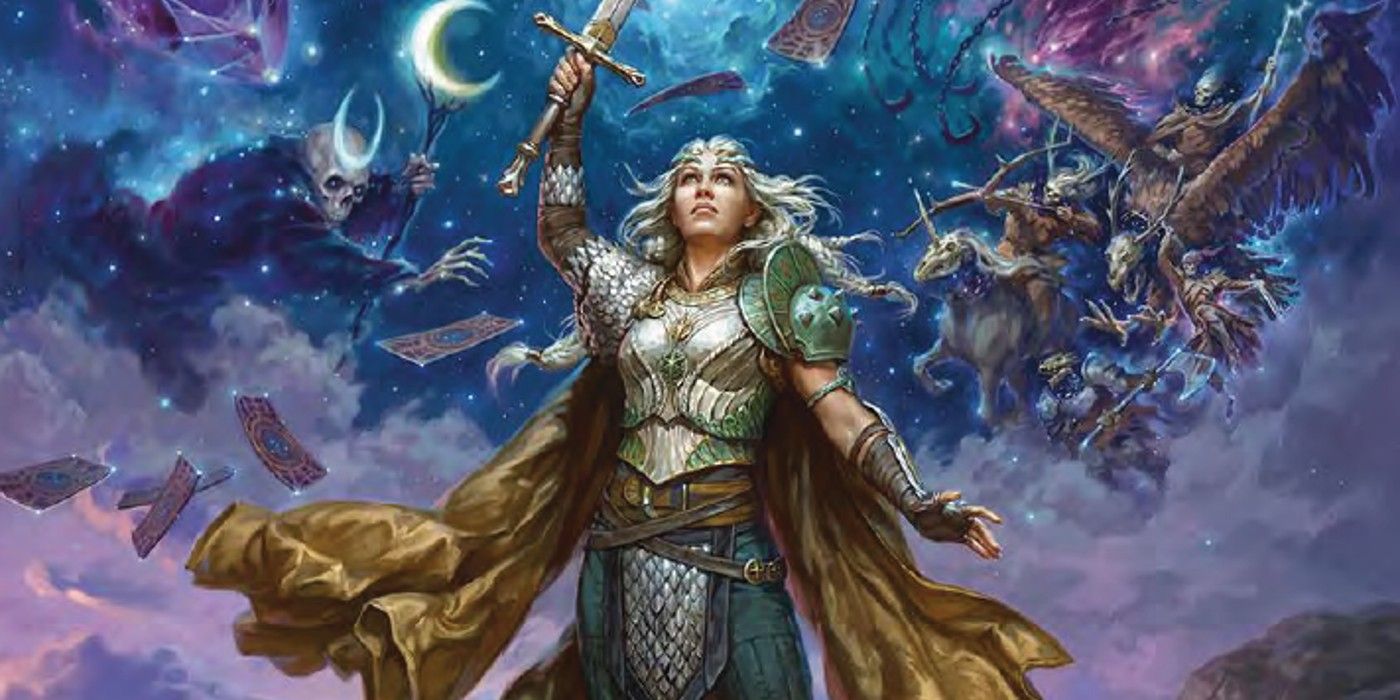
The 5e Dungeon Masters Guide for Dungeons & Dragons allow for a recommended telephone number of encounters per jeopardize day , but nothing on consistent pacing .
3e D&D’s Divide Between Martials & Casters Is Back
The 2014 Rules Saw Relative Parity Between Martial Classes And Spellcasters
While provenbuilds like aDnDPolearm Barbarianlack the versatility of spellcasters , or the utility outdoors of combat afforded to Rogues , it islargely inarguable that they are valuable to gamble political party . Death is the just status burden , and being able to chew through great monster HP totals in a short period of time means less rounds the political party must weather riposte attacks . Tighter limits to access very in high spirits - grade magical spell , along with the Concentration mechanic , helped reign in spellcasters , adding up to a relatively balanced edition . Martial quality might be less interesting to play , but their contributions are undeniable .
Thanks to childlike sources of vantage like Reckless Attack and Faerie Fire , 2014 martial classes were able to make the most of dandy Weapon Master and Sharpshooter without suffering many misses from the accuracy penalty .
Certainchanges toDnDWizards are factious , as the 2024Player ’s Handbookmay remove the various subclasses associated with each school of magic from the Congress of Racial Equality rules , but notably , the power of spells has not been diminished , based on playtest material . Put just , spellcasting classes are as powerful as the spells they have access to , while soldierlike classes are as potent as the Feats they have access to . The Paladin could generate damage through Smite . They could just as easily combine Great Weapon Master with a subclass like Vengeance or Devotion that offer increased truth , systematically negate the accuracy penalty .
A few thespian perceive the2024D&DPHB burnish soldierly class , but this Earth’s surface - tier analysis fail to equate the impact the revised Feats have on soldierlike class . The 2014 Monk class could never excel at damage , compare to other martials , but theMonk provide a unique utility in its ability to deliver multiple arresting Strikes each number . The 2024 Monk is limited to one Stunning Strike per turn , remove its sole viable contribution . The 2024 Paladin is confine to one Smite per turn , reducing its terms capableness . The only warlike class that seems to truly benefit is the Rogue .
Rogues Benefit, But D&D Fighters & Barbarians Lose Out
Weapon Masteries Offer Negligible Benefits, Only Added Complexity
TheDungeons & Dragonsskill domination buildsof the 2014 5e linguistic rule generally leverage the Rogue stratum for its multiple Expertise acquirement and its now - iconic Reliable Talent feature . Rogues typically offer mediocre damage in combat butexcellent usefulness outside of battle , thanks to their power to optimize skill checks . Playtest materials suggest the 2024 Rogue may receive Reliable Talent four levels earlier , which is a genuinely nice touch . unluckily , other iconic form like Fighter and Barbarian lose their niche of monumental damage numbers . A few select subclasses may keep pace with the 2014 PHB martials , but those are rare exceptions .
Dungeons & Dragons required collaboration between the participant and the Dungeon Master , but the players ’ investiture is capped by the DM ’s ebullience .
It remains to be find out whethernew player enjoy 2024D&Drules , or if they will lean towards the more set up 2014 rules . If the 2024DnDmanuals become the one readily available in bookstores and online retailers , it is likely they will be thecommon entry decimal point for newcomers to the tabletop RPG rocking horse . Veteran participant , or even those who were highly familiar with 2014 5e , will be capable to equate the disparity between castor and martial classes , and will likely lean towards full casting classes like Cleric and Wizard . Theredesigned martial socio-economic class are bad for new histrion .
The only weapon system Mastery show in playtest material that is universally helpful to martial character reference , and not difficult to remember for new thespian , is the Graze choice , which cater an effect very to 4eDnD ’s " damage on a miss " mechanics .
Simpler archetypes like a champion are enticing for new players , quite often . The much - toutedWeapon Mastery system of 2024DnDis the worst transposition for raw damagewhere raw player are concerned . For the most part , these weapon mastery offer negligible benefits , and just give new instrumentalist more minutiae to track and potentially bury , slowing down combat and adding little to it . This intend it is not easier fornew players to learn 2024DnD , and there is more likelihood they will play a “ snare build , ” an inadequate reference build that offers no substantial share , souring them on the game .
Archers Are No Longer Damage-Dealers In 2024 D&D
Heavy Melee Weapon Users Also Suffer Due To Greatly Weakened Feats
It is technically not too late for Wizards of the Coast to run correct , but it is improbable the 2024PHBwill importantly diverge from what playtests suggest . Thenew Sharpshooter feat lack any function to add impairment , and the new Great Weapon Master only adds scathe to a individual onset per turn , weakening all stratum with Extra Attack , andsignificantly impacting Fighters , a class that gains up to four attack per Attack Action . Barbarians gain an alternate economic consumption of Reckless Attack that forgoes Advantage for additional equipment casualty , yielding results close to a 2014 Barbarian , but only at higher point .
Playtest fabric show that a Barbarian can give up Advantage from Reckless Attack to gain +1d10 bonus price , and at higher storey , +2d10 . On average , this +2d10 work out nearly identically to 2014DnD ’s with child Weapon Master paired with Advantage .
Instead of care aboutdivisive 2024D&Dcharacter sheet of paper changes , fansshould be more concerned about a return to the 3e era ’s schism between warlike and spellcasting classes . This makes the game less accessible for raw players , turning rough half of the plot ’s class into “ gob form , ” include some ofDnD ’s most iconic archetypes . Spellcasters already had reality - heave power and unmatched versatility . weaken exploit like Sharpshooter and Great Weapon Master , and features like sensational Strike and Smite , without reduce the major power of spell , creates an version ofDungeons & Dragonswhere swords and bows are wholly obsolete , ruining game balance .
Custom Image by Katarina Cimbaljevic.