Dungeons & Dragons: Honor Among Thieves
There are now 12 introductory class available to players inDungeons & Dragons , but it was n’t always that room . pop out with a mere three classes , Dungeons & Dragonshas been constantly evolve to total and fine-tune the list of uncommitted options . Doing so , especially back in the former days ofDungeons & Dragons , often involved a deal of creative energy , as well as a good sample of history and popular fiction .
dungeon & Dragonsis a tabletop roleplaying game where players and a Dungeon Master , or DM , work together to make entertaining narrative adventures with using rulebooks and evenofficialD&Dcampaign settingsto make something unique and entertaining . role player prefer character classes that assist define their power , accomplishment , and personalities . The nature of course of instruction have change dramatically fromDungeons & Dragons’origins , with these three classes ingest some of the most compelling histories .
Related : D&D Skills Players Never enthrone In ( Until It ’s Too Late )

While there are a caboodle to choose from , these threeD&Dclasses offer some of the more interesting stories and sometimes thoroughgoing differences from their current iteration . WhileDungeons & Dragonsplayers have been using these classes for decades , there ’s still a mass to check about why and how they act the way they do . Even if most have changed , their bequest endure on in some of the preconceived notion and assumptions that follow today ’s versions of theseDungeons & Dragonsclassesand how these fabricated architypes more widely strike popular media .
Dungeons & Dragons Class Origins: Rogue
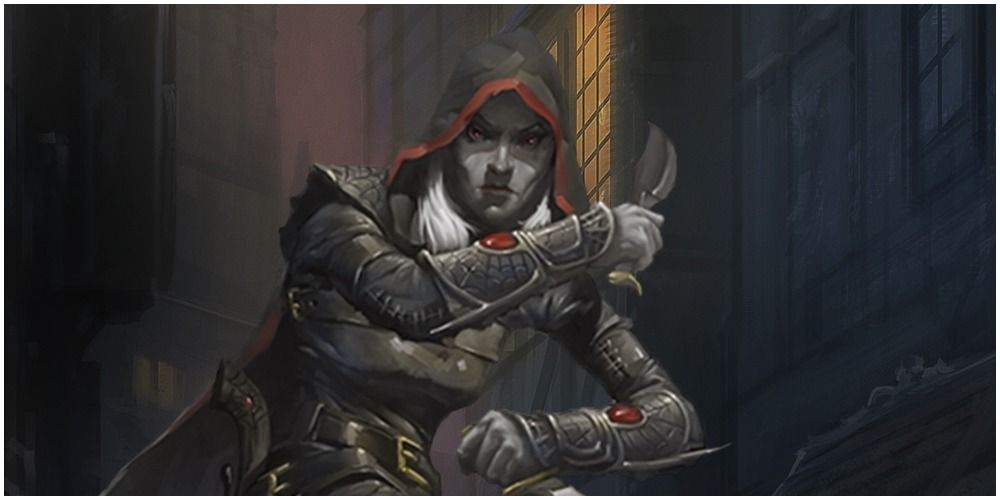
primitively called the stealer , Rogues were one of the first playable classes inDungeons & Dragons , being give up in 1975 as part of the Greyhawk supplement and later on fully implement inAdvanced Dungeons & Dragons 1st Edition . Thieves draw obvious inspiration fromJ.R.R. Tolkien’sThe Hobbit . Bilbo inThe Hobbitis called a burglar , but he ’s not out ransacking dwelling , rather using his skills for adventuring and dungeon delving .
harmonize toAardy DeVarque , inspiration also come up from sword and sorcery novels from the prison term , like Fritz Leiber’sFafhrd and the Gray Mouser . Mouser is a clear representation of the modernistic dayDungeons & DragonsRogue stratum , cementing his importance in the evolution ofDungeons & Dragonscharacter class architypes . Rogues also move on to help exalt videogames and eventually an entiregenre , the Roguelike .
Dungeons & Dragons Class Origins: Cleric
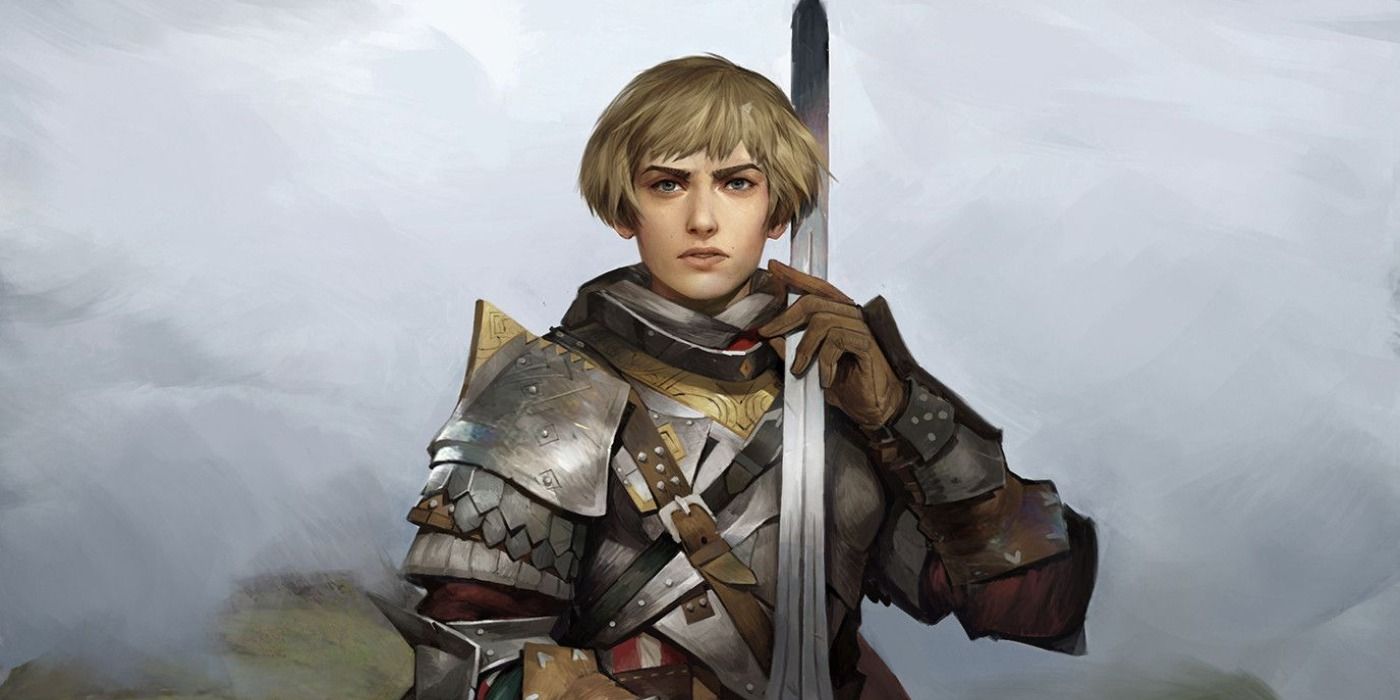
The Cleric is one of theoriginal family face inDungeons & Dragonsalongside the Fighting - Man and Magic - User . The Cleric , interestingly , is more related to vampire - hunt than simply the Christian clergy , though those aspiration are there as well . The Cleric ’s power to ferment Undead occur down from the original aim of creating a character specifically designed to kill another role player character reference , a lamia named Sir Fang and base on Christopher Lee as Dracula in the Hammer Horror films . This is base on an interview of Mike Carr byHavard ’s Blackmoor Blogthat detail the origins of the class , including it ’s interesting draw toDungeons & Dragonsorigins as a tabletop wargame spinoff .
Related : D&D Subclasses For Players Who Think They essay Everything
Since then , the Cleric has develop to involve more pseudo - historical aspiration , likeweapons restrictions inD&Dbased on the apocryphal idea that crusading Monk could n’t shed rakehell .
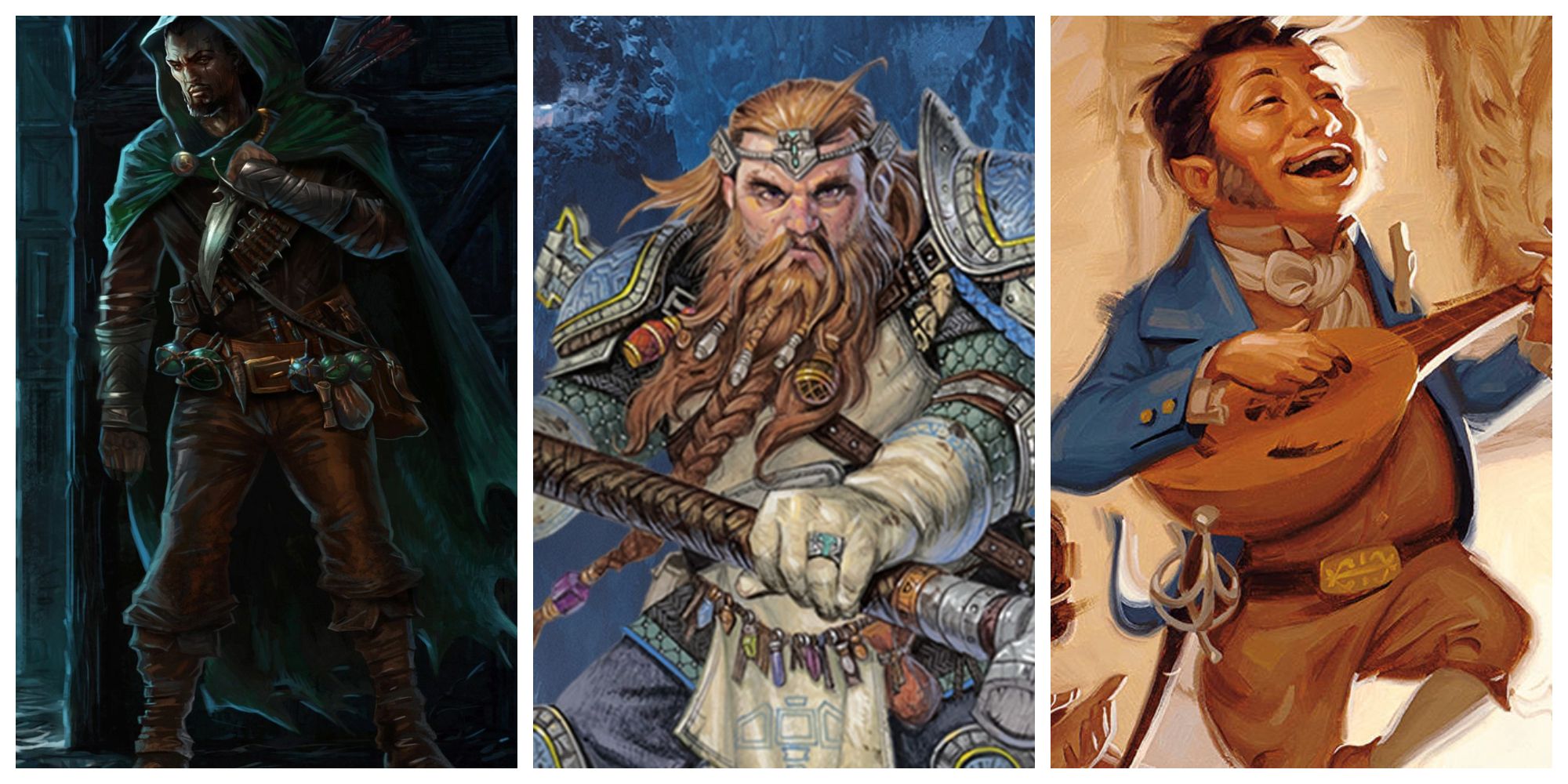
Dungeons & Dragons Class Origins: Bard
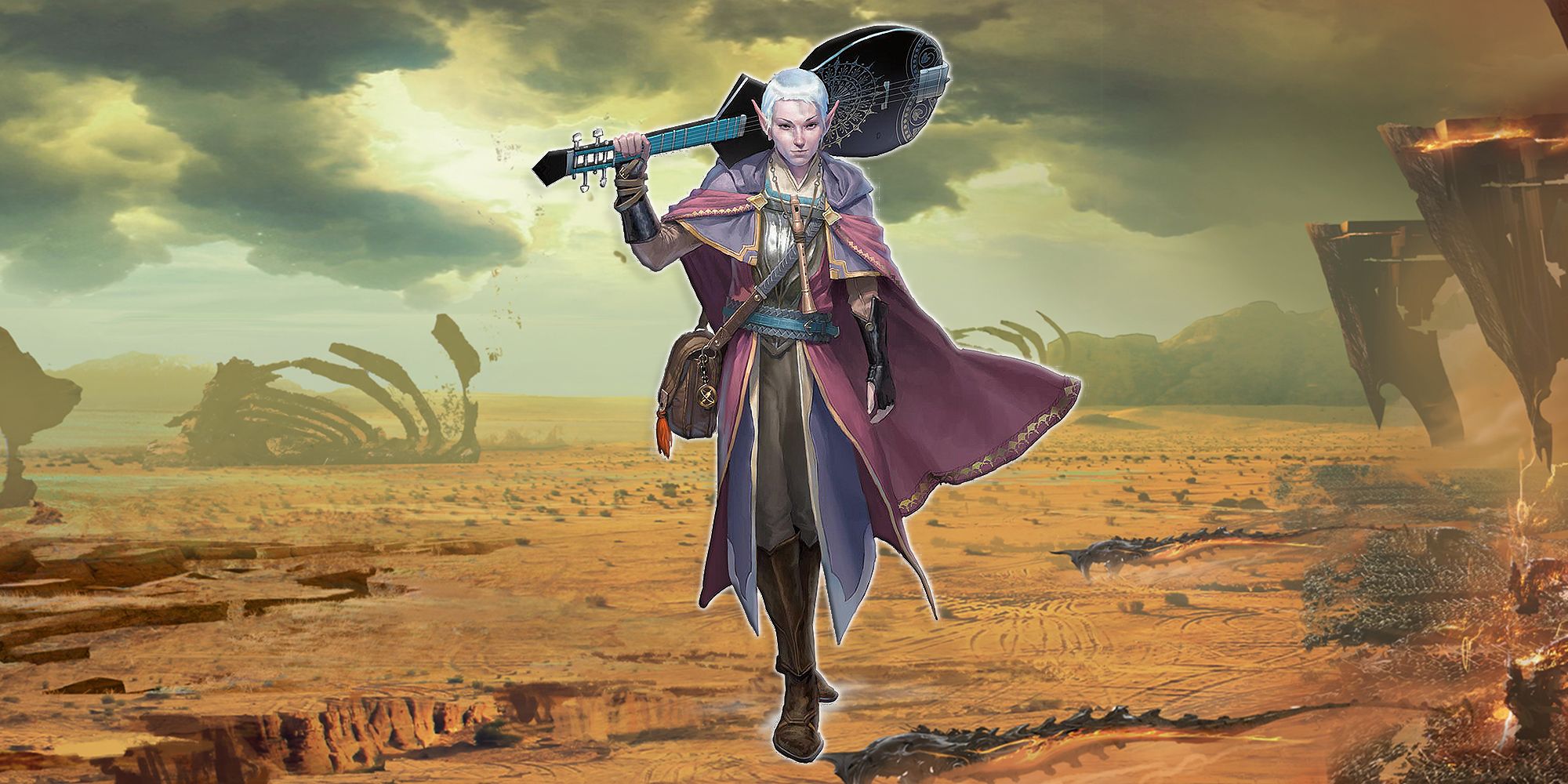
The Bard , now well placeable as one the few musical pawn handle warriors running around inDungeons & Dragons , originated from a much more intense class , a class similar in structure in a means tomodernDungeons & Dragonssubclasses , with many more step . InAdvanced Dungeons & Dragons 1st Editionthe Bard was a extra course that had to be earned through a passably complicated and time consuming process of pull down . First a human or one-half - elf had to start with very gamy ability scores , dismantle up to 5th degree as a Fighter , switch to Thief , dismantle them to fifth grade , and then set about the outgrowth of clerical studies under a Druid . They were more of a combine arms fireball than what players know as a Bard today . The diachronic aspiration , harmonize toMichael J Tresca , clearly comes from many different cultures ' chivalric go singers , like Celtic Bards and Norse Skalds .
There is a mess to unpack with the story ofDungeons & Dragons , but these three classes represent some of the more interesting and wide-ranging histories that still influence character class architypes to this day . There are plenty more socio-economic class that merit to be explored , most with their own entertainingoverpowered spells to clapperclaw DMs . Dungeons & Dragonsis a engrossing game , and player and DMs of all stripes can enjoy a biz that has evolved and changed for decades to become what it is today , with all its qualities and quirkiness .
Next : How Darts Were Once The Best Weapons In Dungeons & Dragons
Sources : Michael J Tresca / The Evolution of Fantasy Role - toy Games , Havard ’s Blackmoor Blog , Aardy DeVarque / Literary Sources of D&D