Dungeons & Dragons: Honor Among Thieves
Dungeons & Dragonswas significant to the history of video secret plan development , with many terms that originated in the tabletop game still being used in video biz to this solar day . There are lot of mechanics in video recording games that can be incorporate intoD&Dcampaigns as homebrew rules , for the radical that want to add together something new to their experience .
There have been pot ofD&Dvideo games released over the old age , yet they have adjust the rules in unlike way , with the developers making some changes , in ordination to raise the gameplay . MostD&Dgames do n’t let the player have divine power , but theoriginalBaldur ’s Gategamesturned the friend into a youngster of the deceased God of Murder , giving them abilities that the average grapheme would n’t have . This musical theme perfectly conform to the video game format , as it gave the independent character some exciting abilities to use in armed combat , while also tying them into the upshot of an heroic story . The same concept might not work as well in a standardD&Dgame , as having one character be far stronger than the others would do lots of issues , especially if the instrumentalist lets their drop of deity go their head .
relate : Best D&D Monsters For Low - Level political party That Still experience Unique
There are lots of video games that have unique mechanics , which would suit well into the phantasy humankind of aD&Dcampaign . They ask a minuscule work on the part of the DM and the player to practice correctly , but they can add an interesting twist to the game . This is specially helpful for spicing up a home brew campaign in a new way .
D&D Homebrew Rules Could Use Limit Breaks From Final Fantasy
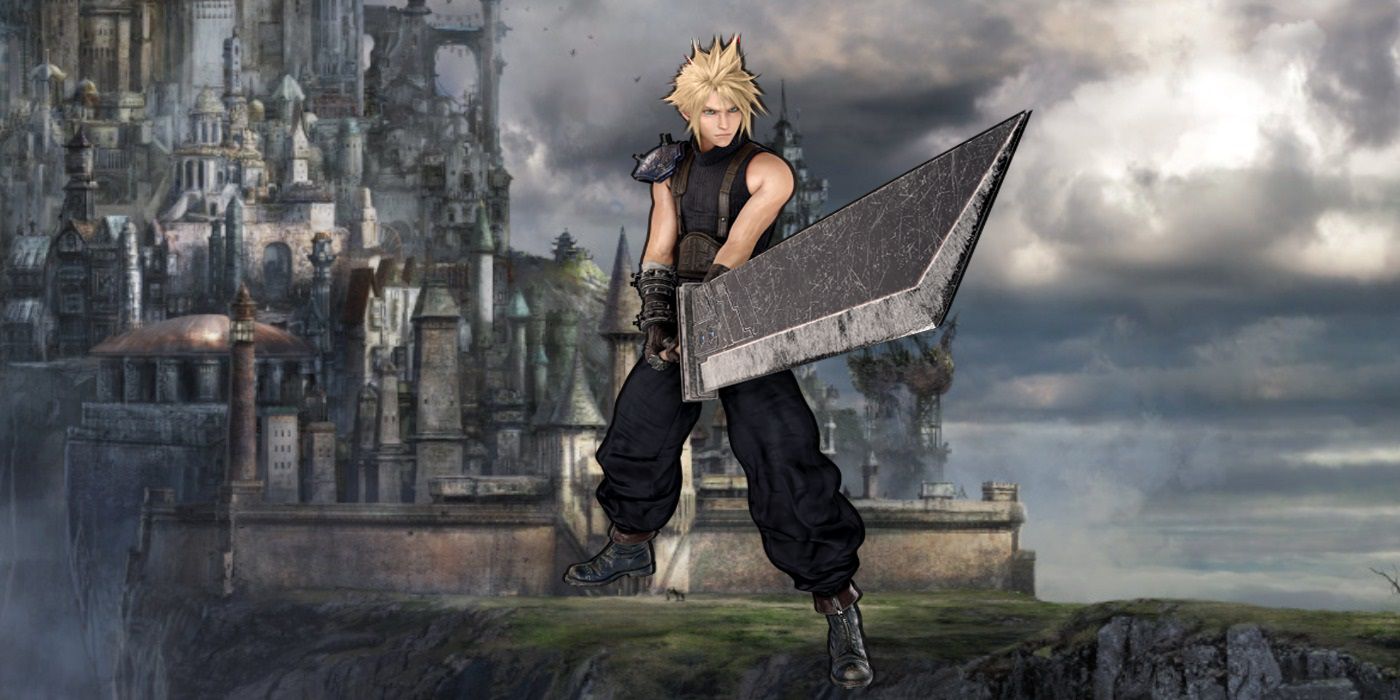
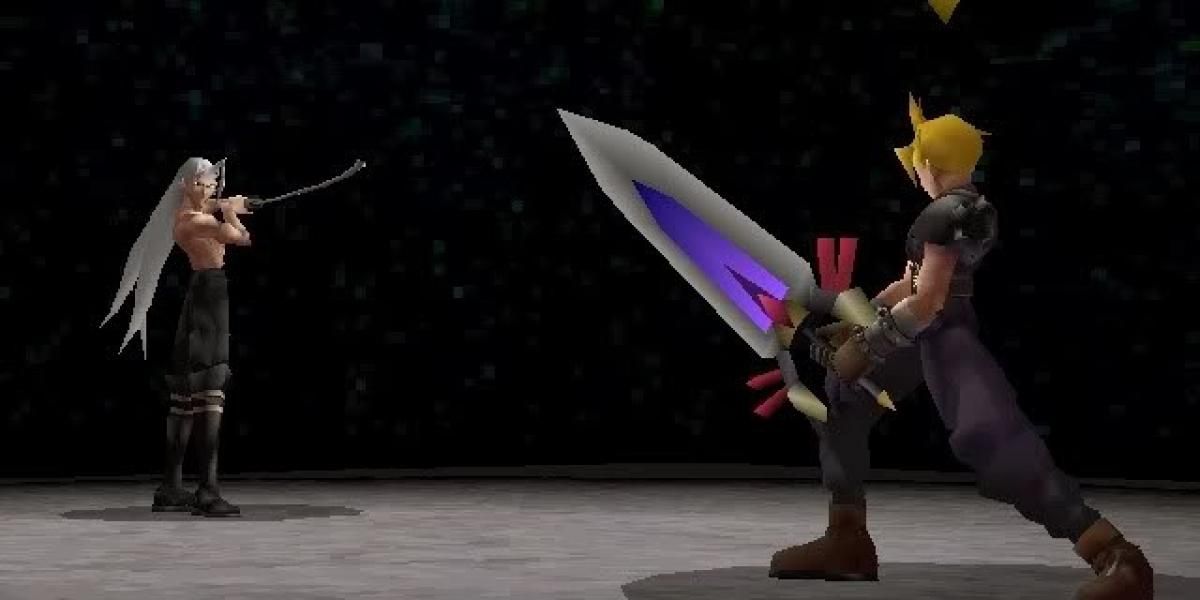
TheFinal Fantasyseries technically bring out the concept of Limit Breaks inFF6 , but the system that fans are intimate with properly debut inFF7.Limit Breaks are incredibly powerful plan of attack , which are normally tied to a character taking portion of price , and unleash their strongest move in a fit of anger or desperation . These attack are normally cinematic , with Cloud ’s Omnislash , Squall ’s Lion Heart , and Lightning ’s Army of One being some of the most visually impressive and memorable move in the series .
In aD&Dhomebrew adventure , Limit Breaks should similarly be rare , only look once a campaign or character tier , as a regular coming into court would fall their effect , and essentially turn them into a normal character ability . A Limit Break is something that would trip once a lineament drops below 20 % hit point , exchangeable to how the Bloodied condition cultivate in fourth version , representing how they ’re perform an all or nothing attack . The effect can be something as simple as a guaranteed critical hit , a tenacious relaxation power recharge , a magical spell dealing maximal terms , the power to cast two full spells in a undivided action , a mathematical group - wide healing power , orsummoning a powerful foreigner inD&Dto the party ’s side . The musician who rightfully require to emulate theFinal Fantasyseries could total up with an luxuriant attack for their Limit Break , so long as the DM sanction it .
D&D Homebrew Rules Can Add Monado Vision From Xenoblade Chronicles
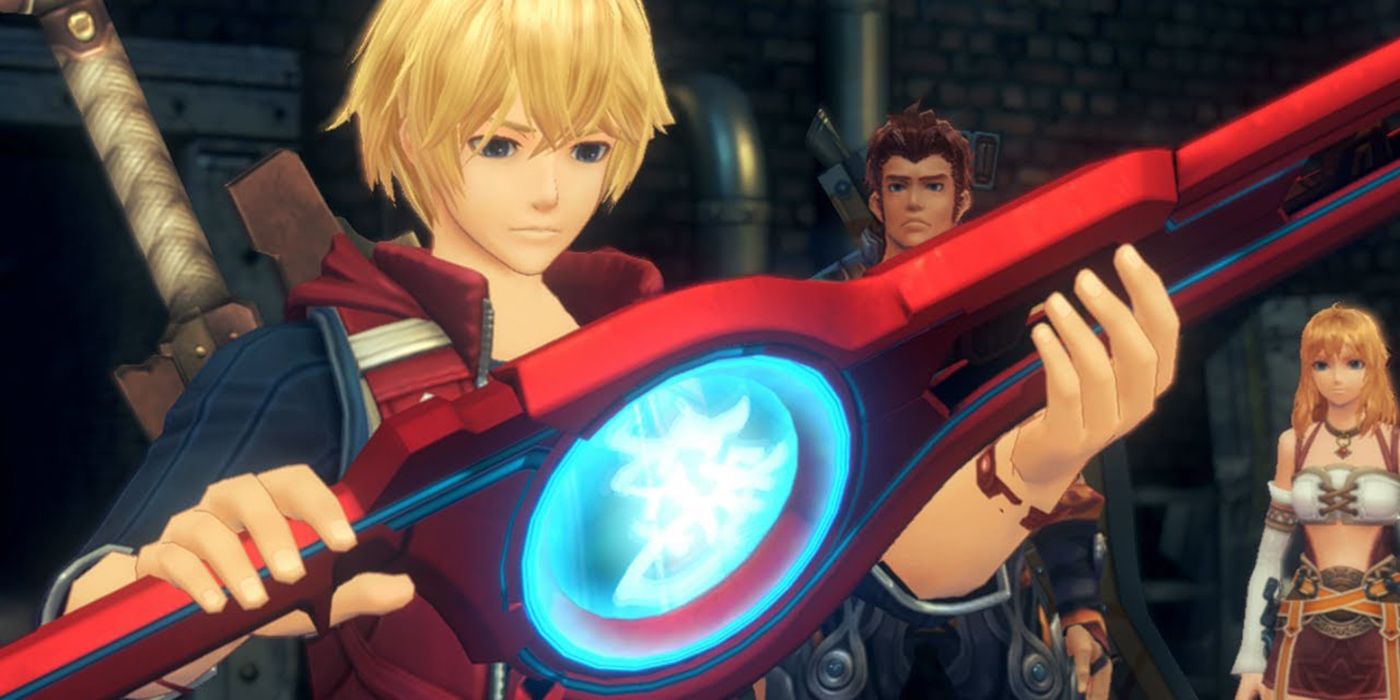
InXenoblade Chronicles , a vernal man named Shulk becomes the prefer wielder of the Monado , which is a sword that grants a number of unlike power to its exploiter . One Monado power that is tied into a gameplay shop mechanic is its Vision magnate , which lets Shulk see into the future . In mechanically skillful terms , this warns Shulk when an opposition is about to do a knock-down attempt against the party . The histrion can then warn the individual company members about the flak , allowing them to prepare for it , so that they evade harm , or at least palliate it duringcombat inXenoblade Chronicles . This exponent was later adapted into theSuper Smash Bros.series , as Shulk uses his Monado Vision to perform a rejoinder , so long as the actor correctly times the move .
connect : What D&D Players Will & Wo n’t care About The Fallout Tabletop RPG
The officialD&Dcampaign worlds have their clean share of prophecies and omes , with some fortune telling enchantment even allowing casters a glance at thing to come . In the case of using Monado Vision , the player is given a unmediated sensory warning about something that is sound to happen . This power does n’t need to be tie to an item and could be the effect of a blessing ( or a curse ) that one party fellow member possess . Their future sight will let them acknowledge if the party is about to be hit by something powerful , permit them to use their reaction to foresee the plan of attack or warn the party .
This can be used as a home brew tool for decimetre who arerunning a radical that is fresh toD&D , giving them a little extra help in combat . The participant should also be given the detail of the vision via a note or DM , with restrictions about how they can relay the info to their allies . The group might have the welfare of a prophetic company penis , but are they saucy enough to decipher their warnings in the heat energy of battle ?
D&D Homebrew Rules Could Add Destroying Body Parts From Monster Hunter
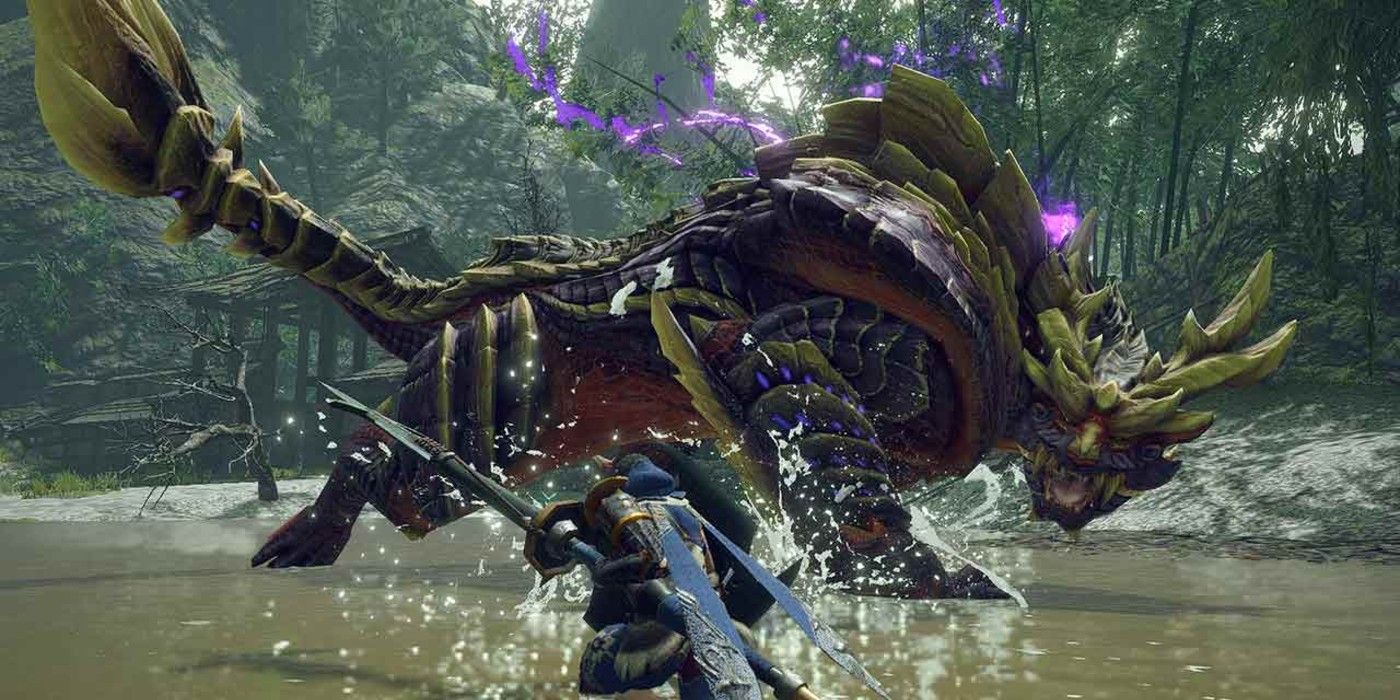
TheMonster Hunterseries pits groups of four hunters against massive fiend , many of which would n’t appear out of place in aD&Dhomebrewcampaign . These monsters have a turn of raw weapons at their disposal , including massive claws , horns , hind end , wings , and breathing spell attacks . The hunter have one advantage thatD&Dplayers do not , as they can break or cut back pieces of the enemy ’s body , in ordering to dispatch these advantages . There are a number ofweapons in theMonster Hunterseries , and some of them are better suitable to this task than others . A hunter who wants to remove a monster ’s tail is kick the bucket to ask a blade , while one who require to dash a monster ’s horns will need a hammer .
It would be potential to accommodate the part - destruct organization fromMonster HunterintoD&D. This can be integrate by splitting a large giant ’s hit points and particular attacks across its limbs . This gives the players the opportunity to disable a monster ’s attacks , so long as they are able-bodied to strike the body part in question . The torso parts will need to have a high AC to accommodate for the extra precision that is postulate to fall them , as role player unremarkably just hack at whatever morsel is cheeseparing .
The players would also need touse specificD&Dweaponsto deal the right type of damage for the body part in question , with bludgeoning used to part horns and plate , slashing used to discerp limb , and piercing used for disable breath weapons . The dragons that populate theDungeons & Dragonsuniverse would fit this principle dead , as they are bulky enough to survive slews of attack from party members , and have enough natural weapons to make using this especial homebrew rule worthwhile .
Next : How Baldur ’s Gate 3 Sorcerer Is dissimilar From Tabletop D&D