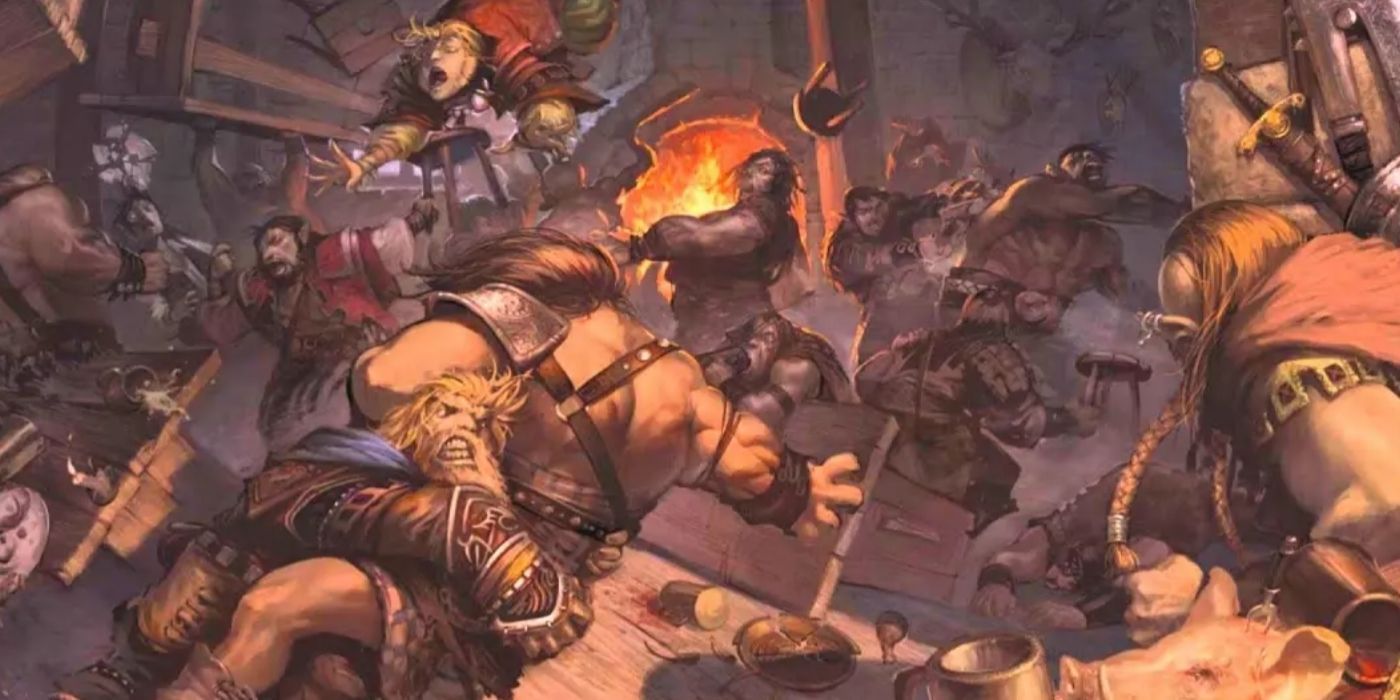
Dungeons & Dragons: Honor Among Thieves
The conception of “ homebrew ” forDungeons & Dragonscan be a bit unmanageable to specify , but at its broadest it let in any mental object used forD&Dthat is not from an prescribed first - company record published by Wizards of the Coast . This means home brew could admit both custom - made content from an item-by-item Dungeon Master for role in their plot , or third - partyD&D - compatible published products created under the Open Gaming License . Gaming groups should be cautious when it fare to add home brew to games , and work out judging . A bit of the right way used homebrew content can give a campaign a unique solar flare , but too much homebrew can make a game wildly imbalanced , damage the DM ’s intended tone for a campaign , or derail the secret plan wholly .
Homebrewed rules content , including fresh course , spell , and other auto-mechanic , are distinct from homemade run setting . The officialD&DDungeon Master ’s Guideprovides advice and guidelines for DMs who wish to make their own world , alternatively of using an official campaign setting likeEberronorForgotten Realms . This regard a DMcreating a map for their originalD&Dcampaignworld , determine the detail of the cosmology , the state , the stage of technology , and more . Custom - designed campaign domain are a staple fiber of theD&Dexperience for many group , but these plot only become really “ homebrew ” when they include rules content that is not part of officialD&Dbooks .
Related : How To Run malevolent Campaigns In D&D ( & Other RPG Systems )
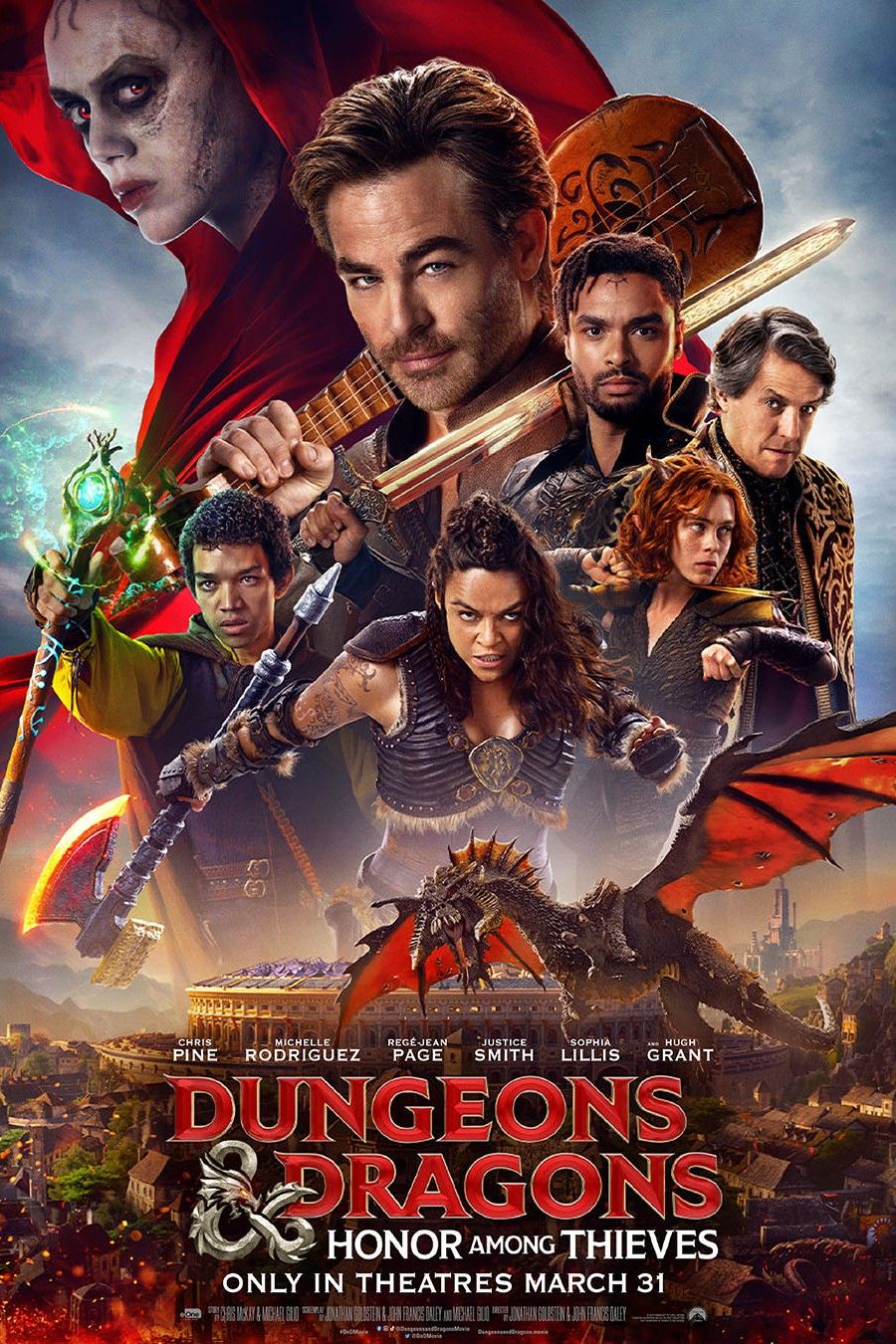
Dungeons & Dragonswas not design to be a universal tabletop RPG that hold up any type of plot . It is geared towards heroic fantasy escapade , typically involving overland travel and geographic expedition , dig into trapped and bastioned internal ear , and engagement with mythological monsters , among other thing . MostpublishedD&Dsettings , official and third - political party likewise , are contrive around these assumption , and provide histrion role the opportunity to engage in the kind of heroics that play toD&D’sstrengths as a system . HomebrewD&Dsettings can include television plot - based worlds , fantasy novels , or whole original creations from a grouping ’s Dungeon Master . Each mise en scene is unlike , and some might require thatD&Dcontent be restricted , or new home brew content be added to think over the circumstance ’s singularity .
Some D&D Homebrew Campaigns Restrict Content & In Others, Anything Goes
identify limitation on a game might not seem like homebrew , but taken too far , it can be . Some options bound sure races or classes that do not exist in that biz macrocosm . The Dark Sun setting is a grimD&Dworld where the divinity have perished , sodivineD&Dclasses like Cleric and Paladinare not appropriate for its hunting expedition . Many place setting focus on dictating the rarity of thaumaturgy , whether it is commonplace and industrialized , like in Eberron , or exceedingly rare . This is fine , and for the most part still work within the rule of thumb ofD&D , but the secret plan assumes magic is substantial and present , and this is factor into much of the game ’s proportion . Running aD&Dgame in a world entirely without God or magic severely restricts the available classes and closes off much of the plot ’s rules and content , as an example of a game where “ confinement ” cross the demarcation into home brew .
Good home brew selection contribute setting- or safari - appropriate mental object that falls within the established symmetry ofD&D’sexisting rules . DMs should take forethought not to assume that third - company published cognitive content is equilibrize but because it has been print or sold digitally , as much of it is wildly imbalanced or would not mesh well with officialD&Dcontent . The 5eD&Drules prioritise simplicity and ease of use , but balance is also a major consideration for any plot . When weighing whether to use third - company content , whether it is a new class , sub - class , feat , or spell , decimeter should liken it with officialD&Dproducts . These show what sort of power are typically offered at each level and may provide a bench mark as to whether a third - political party class is overwhelm .
Related : D&D : Why Cows Are A lethal Threat To Low - Level Parties
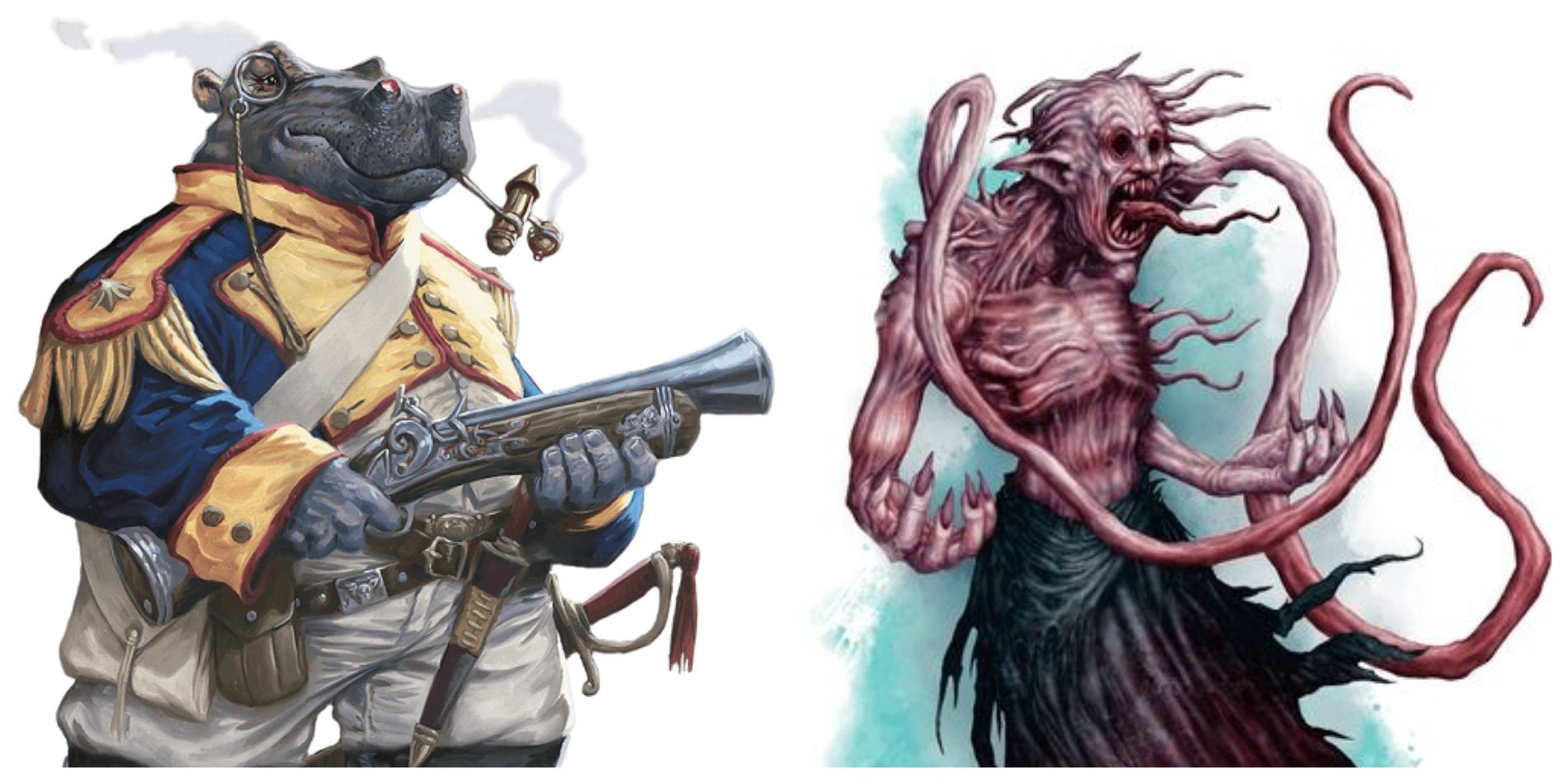
Homebrew backgrounds are easier to gauge , as the prescript already earmark for generating ground , so long as they ply two train skills , and a compounding of up to two languages or prick technique , along with some sort of utilitarian out - of - combat societal or exploration fringe benefit . Weighing the balance of homebrewD&Dracesis slightly more complex . So long as they follow the guidelines laid out inTasha ’s Cauldron of Everything , with either +2 to one stat and +1 to another , or +3 to three different stats , the statistical portion should be satisfactory . The DM still take to weigh whether their other racial abilities have relative parity with those of survive , official race , however .
Unofficial Homebrew Content Begs Scrutiny & Some Is Incompatible With D&D 5e
Judging home brew Feats and Spells involves a interchangeable epitome of comparing them against virtuoso of the Coast ’s publishedD&Dcontent . A feat that provides a bonus action attack with a specific artillery type might line up with officialD&DFeats like Crossbow Expert and Polearm Master , but a Feat that adds an extra onslaught to the Attack Action is inappropriate , as that overlaps with Extra Attack , a class lineament . Understanding the sort of benefit that prescribed races , Feats , and class features leave lets a DM evaluate home brew content fitly . When judging home brew spells , it is sluttish to spot one that does significantly more harm than official spell of the same level , but DMs should also take care to spot spells that allow for significant concentration - innocent buff and compare them to the appropriate stage for such spell in official content .
Beyond judging balance for home brew depicted object , DM should also ensure it fits within the canonical rule ofD&D. While some DMs leverage optional rule or mansion rules to make for memorable campaigns , even these groups should take care that they do not putter too much with the magnetic core formula of the game in their home brew adventures , as they might be better off using a different arrangement whole . Restrictiverules inD&Dare present for a ground , and something allowing outright Reactions , or removing the Concentration limitation for spellcasters , severely damages the balance of the game . Homebrew substance that neuter the fundamental dominion ofD&Dgoes beyond a home brew add-on , and into the kingdom of a unlike biz completely .
tie in : storey Up : Advanced 5e Is Further From D&D Than Necessary
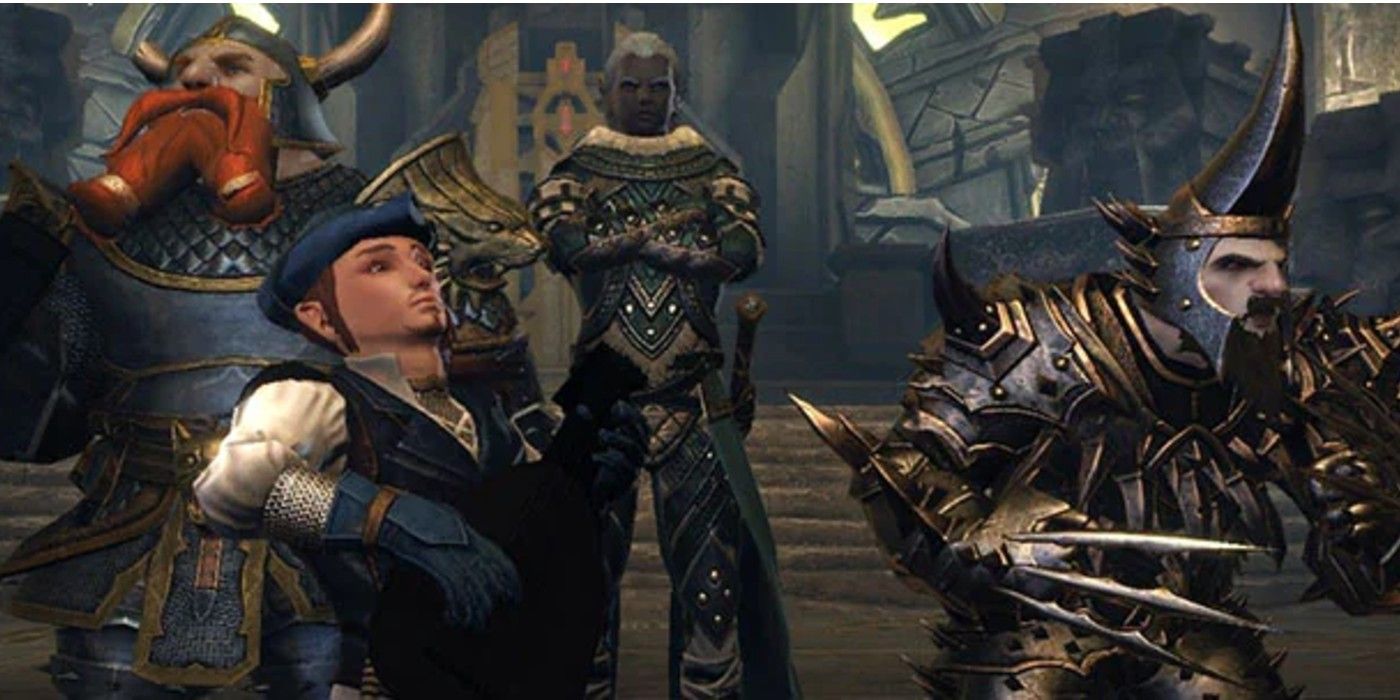
A bite of home brew that situationally alters a automobile mechanic may be ok , as many effect rule do this . Homebrew that alters rudimentary principles of the game solely - like changing the rubric wherein all light armor allow a persona ’s full dexterity bonus to AC , while all intermediate armors are capped at +2 , or multiplying static modifiers with critical bang instead of just rolled die - reflects an all different system of rules from 5eD&D , like the third - party rules replacementLevel Up : Advanced 5E , which is not compatiblewithD&D’srules , only its adventures . decimeter can determine whether homebrew content provide situational exceptions , or if it overwritesD&D ’s core mechanics . If enough heart and soul rules are changed , and the game no longer resemble or mathematical function like official 5eD&D , the mathematical group might be practiced off plainly looking to a different tabletop RPG system that is better suited for their campaign .
DMs Should “Reflavor” Existing D&D Classes Before Homebrewing
ThoughD&Dclasses and Feats have their own in - fiction description tied to them , sometimes called “ flavor text , ” groups can separate therule auto-mechanic ofDungeons & Dragonscontentfrom their in - game verbal description , as call for , in their campaigns . Before homebrewing a fresh backwash or social class , D&Dgroups should strongly consider “ reflavoring ” an existing element . A fictitious character concept necessitate a psychic sixth mother wit , likeSpider - Man’s"spider - sense , " does not require a new class or submarine sandwich - system when it could simply be represented , mechanically , as a Rogue who uses the Cunning Action feature for the Dodge Action routinely and look at the brisk feat to avoid being surprised . Likewise , alternatively of design a Hylian race for aD&Dcampaign in the populace of theZeldagames , the Elf race statistic can be used .
TheD&Drules are unsubdivided and balanced , but the in - fabrication “ tone ” of classes gibe within a particular dash of fantasy . actor calculate toward more unconventional role archetype should still depend to " reflavoring " existing content rather of home brew , in most cases . AD&Dplayer trying to simulate a Zangief fromStreet Fighter - inspired martial artist who delivers devastating suplex takedowns , for instance , might have a unmanageable time make a balanced homebrewD&DMonk subclassthat interact with the existing Grab rules in this way .
alternatively , they could only play a mechanically standard Fighter with the Great Weapon Master feat , and the Battlemaster subclass which enable them to knock enemies prone with attack , describing their Maul strikes in - game as wrestling motility . Homebrew offers a mass of possible forDungeons & Dragonsgames , but if the intent is genuinely to search new concepts not touch on in the core rules , rather than to break the biz ’s residual , separate regulation from their in - secret plan “ flavour ” is often a good approach .
Next : What Pathfinder 2e Does Better ( & bad ) Than D&D 5e