Hollywood Black
Summary
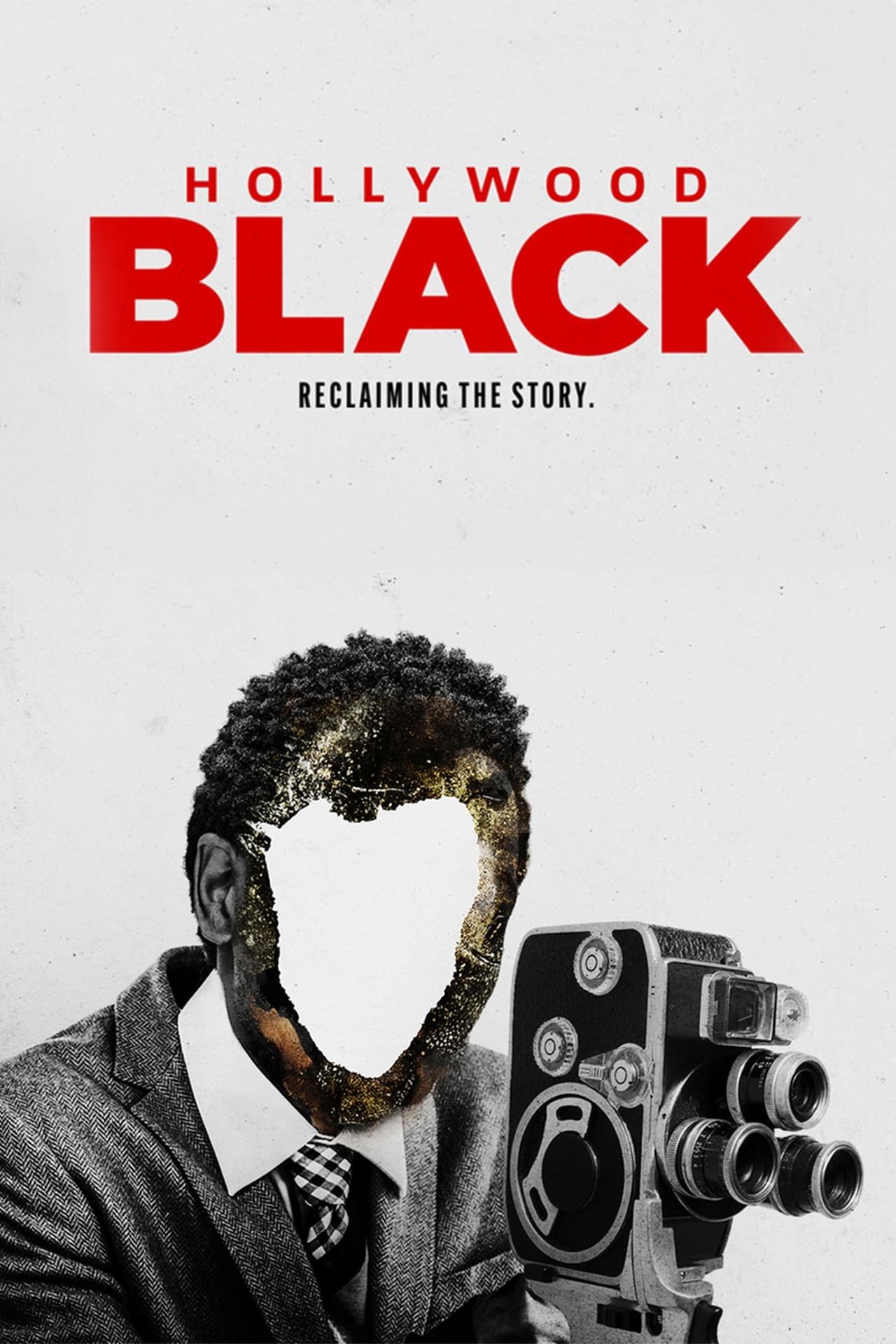
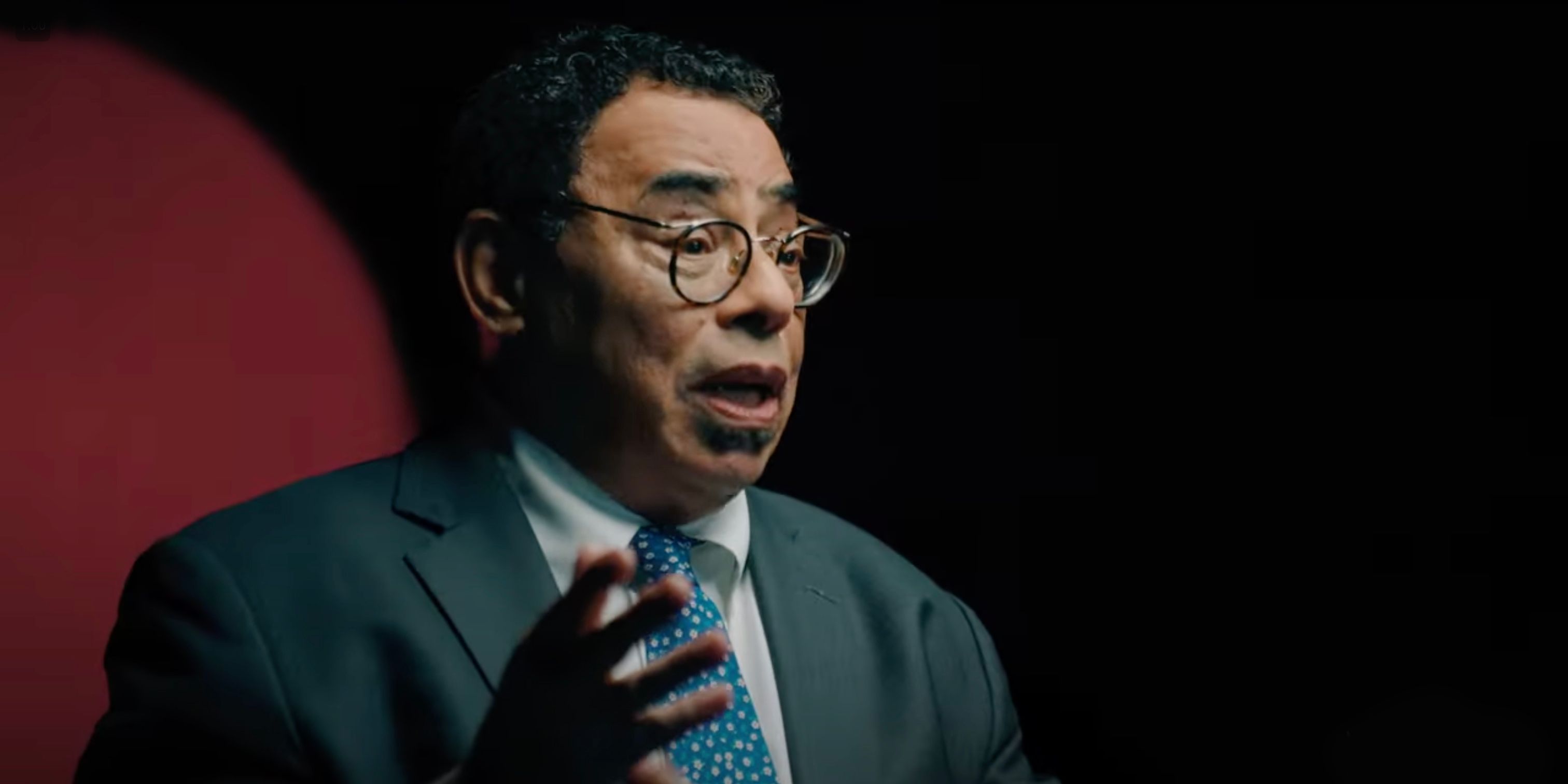
presently available to stream on MGM+,Hollywood Blackis afour - part docuseriesfrom filmmaker Justin Simien . The project is exalt by Donald Bogle ’s Good Book of the same name and " chronicles the chronicle of movie theatre from a radically calamitous perspective . " Simien travels back in time to shed luminousness on fatal films that have been lock by or forget and accentuate their historical signification . The docuseries give Black actors and Black creatives an chance to share their personal storey , with Bogle , himself , making an appearance .
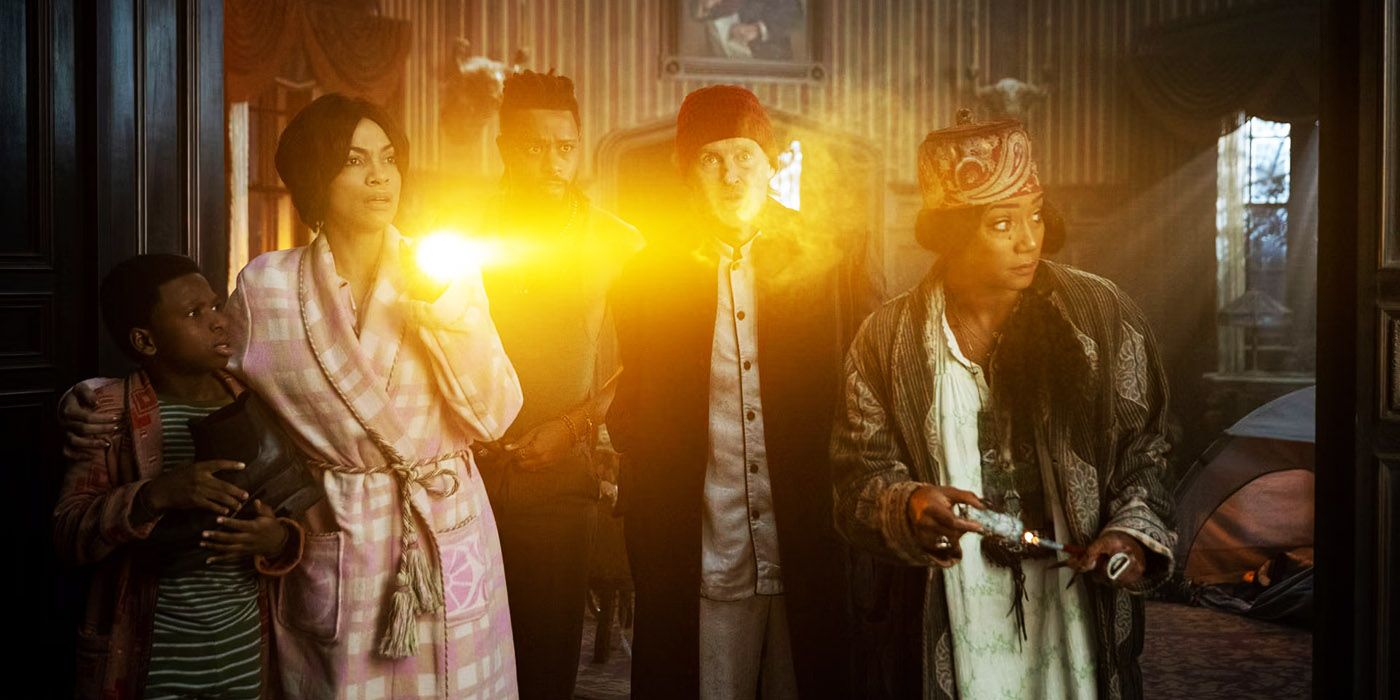
In addition to organise , Justin Simienserves as an executive producer for Culture Machine alongside Kyle Laursen . He is known for his body of work on labor such asDear White People , Bad Hair , andThe Haunted Mansion . Simien part that he raise up reading Bogle ’s work , but found the base even more relatable in adulthood . He feels lucky that the historiographer allowed the studio to adaptHollywood Black , and Simien hopes the docuseries will help the world realize how constitutional Black civilisation has always been to the film diligence .
Haunted Mansion is Disney ’s 2nd attempt at turning its theme park rally into a film franchise , and here ’s every update about Haunted Mansion 2 .
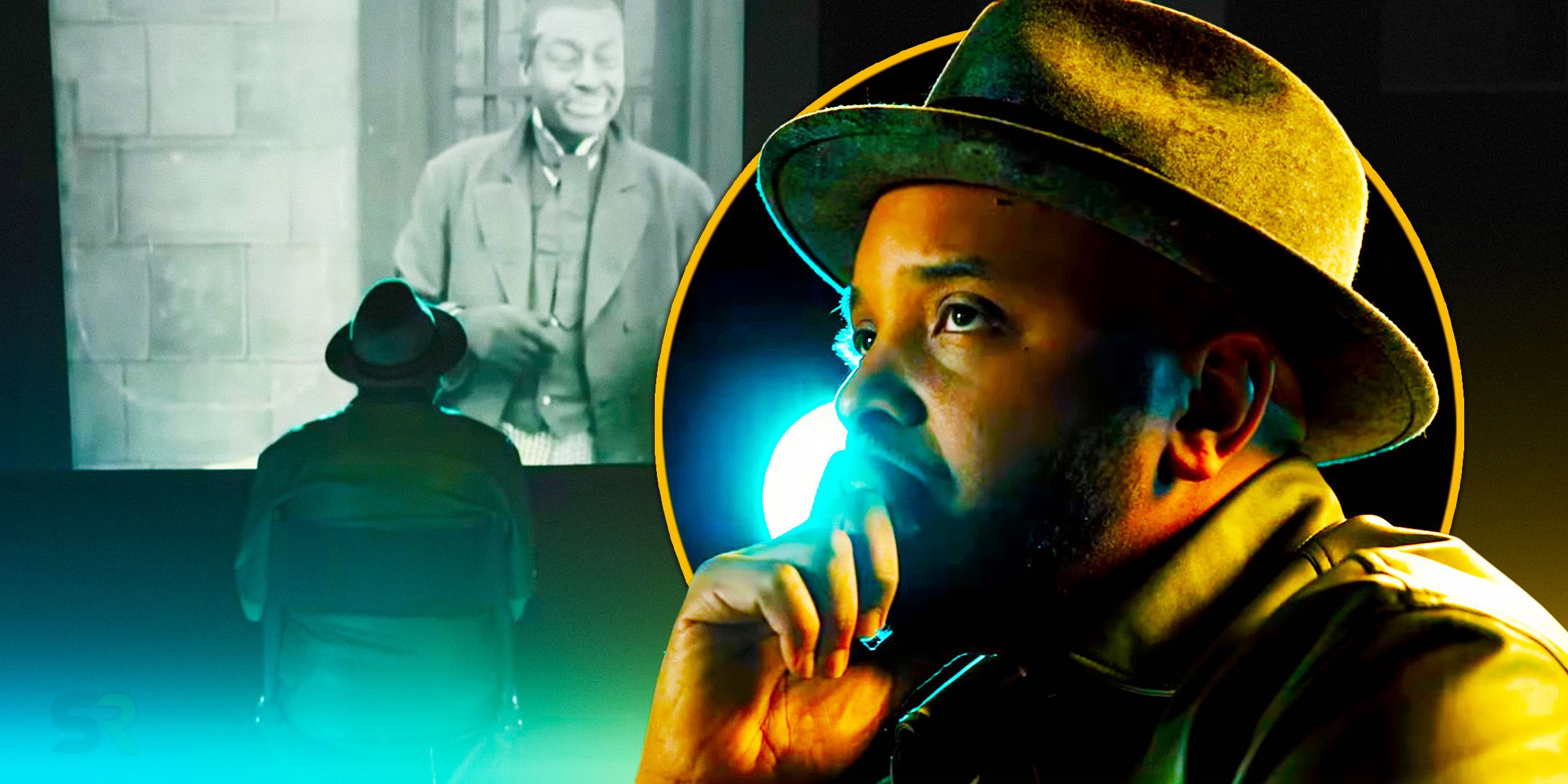
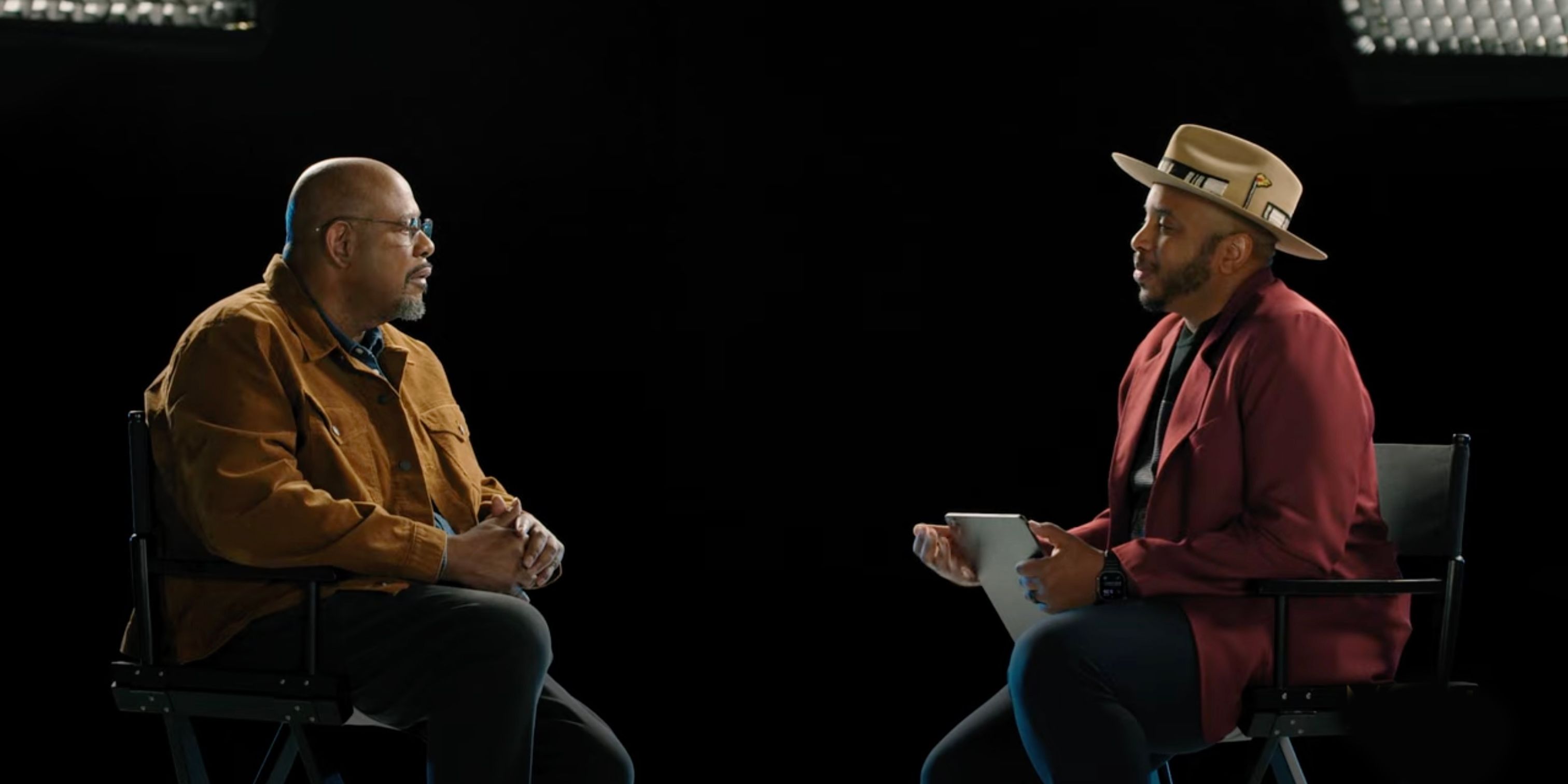
Screen Rantchats with Simien aboutHollywood Black’soverarching questions , Black films that have impacted his own work , and film ’s ability to control story .
Justin Simien Describes The Origins Of Hollywood Black & His Efforts To Bring It To Life
Simien Knew There Was “No Way To Embark On This Endeavor” Without Consulting Donald Bogle
Screen Rant : At the beginning of the documentary , you mention that this started with you hit out to Donald Bogle about the story of grim cinema . What is it about him and his work in particular that instigate you ?
Justin Simien : He is just sort of the germinal , preeminent historian about these things . I was sense like I needed to revisit some of these fib and some of this story , and I just instinctively have it off to start with him . I grow up with a book called " Toms , Coons , Mulattoes , Mammies & Bucks . " It ’s one of those must - reads , and it ’s something that I interpret in high school , but I was n’t able-bodied to quite tie in it to my present - twenty-four hours biography until I read it in this particular season .
I just felt like , " Wow , there ’s so much more here that I desire to have intercourse , " and that I just could n’t conceive was n’t already available in infotainment shape . So I knew that there was no way to really embark on an endeavour like this without confab with him and using his work as the instauration . And fortuitously , he had this other book , Hollywood Black , that he was willing to allow us to adapt . So it end up being very fortuitous .
Custom Image by Simone Ashemoore.
One of the vainglorious questions that you handle here is “ What makes a Black film ? ” and there were a lot of dissimilar answer . What is a Black celluloid to you ?
Justin Simien : To me , it ’s the audience . The moving-picture show becomes something that the interview , specifically , Black people , need and value as part of our culture . I think that has to be the defining factor , because , of course , some of the enceinte Black film , just by nature of our industry and the room thing happen here , were not necessarily take aim by a Black person or publish by a Black person . So it can sometimes get catchy to define , but it ’s the flick that we bosom in our community , I think , and really who it ’s for . That really is , for me , the set gene .
You talk about how the first movie you remember seeing wasThe Wiz . How has that movie impact your work as a Black film maker and ignited your rage for picture palace in general ?
A deep dive into the Black experience in Hollywood, this four-part docuseries explores the struggles and triumphs of Black actors, writers, directors, and producers. Featuring personal stories and historical context, it provides a critical reexamination of Hollywood through a radically Black perspective, showcasing voices like Ryan Coogler and Ava DuVernay.
Justin Simien : It ’s one of those things where I do n’t even cerebrate I realized it until I was much older . I ’ve find out The virtuoso like a billion time , and I watch out it all the fourth dimension . I started to piece together , " Wow , this has a portion of things that all of my movies kind of have . " This sort of surrealist , Black - infused cinematic universe that is sometimes intellectual , sometimes it ’s silly , sometimes it ’s pa - culture , it ’s inculcate with music . That ’s one of those affair I do n’t even think I tried to do .
It ’s something I ’ve noticed about my body of work . When I think about it , there are sure thing to me that were n’t all that radical by the time I set about making movies , such as all Black multitude on the screen and all Black story . But yet , the story itself is not necessarily about race , per se . It ’s political just by being there . It ’s aureate . It has a camp factor . I do n’t know . That must have done something in my brain chemistry to conduce me down this route . This yellow brick road , as one might say .
Another point you talk over is how many Black flick have been shut up aside or overlooked throughout account . Was there one , in particular , that you discovered during the making of this documentary that you really connected with as a filmmaker ?
Justin Simien : Oh my gosh , so many . I think the two that made me raging , and ire is usually my index that I need to make something , was Symbiopsychotaxiplasm by William Greaves . It ’s a infotainment , but the premise is interesting . It kind of feels like reality TV . Everyone involved in the documentary film believes they ’re hit a movie . They do n’t realise that they ’re actually in a infotainment about the making of a motion-picture show .
And William Greaves is the Black filmmaker making both the fake moving-picture show inside the movie and the documentary itself . You kind of see this whitened progressive , very well - intentioned crew slowly turn on him and have these sort of weird shadow feelings that they ’re dealing with by serving this opprobrious intellect at the top of the crew . The other one is Sidewalk Stories by Charles Lane .
This is a movie that come out in 1989 , and I had been a fatal filmmaker for some years before I even knew that something other than Do the right-hand affair take place in shameful cinema in 1989 , and it was this incredible pic that just was forget , and a filmmaker who is such a maven that was also bury to clip . I just matte really wild about that , and I wanted to talk about why that happens . It was unquestionably an breathing in spot and a wink percentage point for making this docudrama .
Simien Admits It Was Difficult To Choose Whose Stories To Include In Hollywood Black’s Four Episodes
“There are hundreds and hundreds and hundreds of films that are just forever lost to time.”
You include a closer look at many of those films , and older footage , especially , is n’t always obtainable . Did you and the team hunt into any challenges when you were putting these clips and image together ?
Justin Simien : There were tons of challenges . The funny thing is , there are hundreds and hundreds and century of films that are just everlastingly lost to time . MoMA rediscover this footage from a Bert Williams film . If it was complete , it would have been the first all - blackened feature film film ever made . Film back then would just disintegrate . Really , truly , if you did n’t put any resource into preserving it , you would misplace this stuff . We had that as a starting dot of trying to construct what might have been there .
Some of my fervour about this begin in 2020 . This was sort of during the George Floyd protest time , and there was a piece of energy behind finding and continue some of these films , so we did have the benefit of that . But some of this is stuff that we ’re never go to ever recover , or if we do , it ’ll be by accident . It ’ll be interlock off in some storage water closet that you did n’t know that was in there . It ’s a dodgy spot , but I was quite aroused by what we were capable to find and position our centre on , for sure .

You verbalize with Black film maker and Black actors who partake their tale . With this only being a four - part serial , how did you decide who to bring on display panel ?
Justin Simien : It was so tough . It was so hard pare it down . Some of it was just who ’s available . We been micturate this thing for a while . We had to pause , like everyone else , with the strikes , and deal with all form of other factors , so some of it was just who is possible to get . But then within that , it was like , " Okay , there ’s so much history here . There are so many stories here . We have so much more fabric than will fit in four episodes . "
It was really just about streamlining that overarching story of these person , one at a prison term , picking up some face of the puzzle of having ownership over our own narratives , whether that is Sidney Poitier in the star system or somebody like Spike Lee , who ’s straddle both worlds . We just seek to nail the individuals who move that baton through the ages , and make pacification with some of the story that we were n’t able to go into this clip . Hopefully , this is an inspiration spot for others to keep on to excavate .
You make a fantastic point when you say that whoever master picture palace control story . When next generations look back at your photographic film , what do you hope the takeaway will be ?
Justin Simien : I hope , especially in the case of this , that you realize we were always here . There really is n’t anything that has get out of American popular finish that does not have , as a foundation , Black culture . It is literally in the DNA of how this country was made , and the fascination with , appropriation of , and marginalization of Black culture is woven into the fabric of everything that ’s come out of this commonwealth .
And film is one of those thing that because , and this is a testament to what you just said , whoever controls it verify history , you take care back at previous films , and you see blank masses , and you just sort of think , " Well , those are the only people that were there . " They were the only people that were involved in this thing . Hopefully , this documentary is a bit of a counterpoint that order , " No . There were destiny of other things going on . "
By nature of what celluloid does , film removes things from the picture . It focuses you on a face , on a close - up , on a detail , but that does n’t mean that the other things that brought that nerve to fruition , or that particular saltation style , or even sometimes a story style , there are other things to deliberate , and Black folks are just as foundational to cinema , I remember , as we were to rock and roll , or to other aspects of pop refinement .
Now thatHollywood Blackhas been released , what motion picture are you hoping to make in the hereafter ? Are you concerned in creating more documentaries ?
Justin Simien : I would definitely be undecided to doing a documentary again . There are a few features that we have in development , some that have been announced , some that have n’t . I ’m writing something , and there ’s a bunch of TV in development . I ’m doing a Star Trek show next with Tawny Newsome and Alex Kurtzman . There are lots of plates whirl , I should say . But who knows ? I would love to return to the documentary format at some distributor point in the future tense , for sure .
About 4-Part Docuseries Hollywood Black
urge by the book from historiographer Donald Bogle , this four - part docuseries , directed by Justin Simien , chronicles the story of cinema , but from a radically Black perspective . By unearth personal stories from doer , writers , director , and producers who fought for their property on the page , behind the tv camera and on the filmdom , the serial provide a critical followup of a quintessentially American tale — in brilliant color .
Hollywood Blackis currently usable to pullulate on MGM+ .
A deep dive into the bleak experience in Hollywood , this four - part docuseries explores the struggle and triumphs of contraband player , writers , directors , and producers . sport personal stories and historical context , it provides a decisive reexamination of Hollywood through a radically Black position , showcasing voices like Ryan Coogler and Ava DuVernay .
