Dungeons & Dragons: Honor Among Thieves
In the submarine - culture of tabletop RPGs likeDungeons & Dragons , two phrases seldom conk out to send shiver down the spine of veteran function - player : " Murder - Hobo " and " Railroading" . Beware of " Murder Hoboes,“who disdain play in party favor of making their participant characters durable killing machines , but above all beware of " Railroaders , " Game Masters who frustrate players by forcing their persona down linear , fixed story paths with few chances to be originative or make meaningful choices . Game Masters who like to avoid err down the dark itinerary of the " Railroader " can consult the various tips below , suggestions on how to give player the freedom to make cool , surprising choices while still move them to care about the campaign ’s primary plot .
Dramatic first - paragraph exaggeration apart , " railroading " is n’t always regretful in appraise doses . so as to properly present their elaborately - craft stories , Game Masters / Dungeon Masters often need to briefly " railroad " their players using striking event to to nudge them in the correct guidance - enigmatic dreams , invading ground forces , ninja ambush , ramp that deviate ship from their traveling routes , etc . EvenOld - School Revival - style " Sandbox " RPGsneed a modicum of " railroading " to keep their players from being paralyzed by an excess of choices and a lack of purpose , something which specially holds true for " Pickup " or " One - Shot " games where the plot require to be introduce and purpose in a undivided session .
concern : D&D ’s Most Powerful Weapons With Low Carry Weight

" railroad " becomes a sinfulness when the Game Master / Dungeon Master of a playact campaignbecomes excessively ego - soak up and obsessed with the " epical tale " they ’ve prepared , too enamored with the NPCs they ’ve created , and too fixated on the battles and scene of intrigue they want to present . In these scenarios , a Game Master winds up treating their instrumentalist as accessories to their plot , rather than confederate in the summons of telling a good story . The follow " Counter - Railroad " Game Master summit , though different in detail , all boil down to the same full general principle:“collaborate with your players instead of commanding them . "
Game Master Tip #1: Talk With Your Players
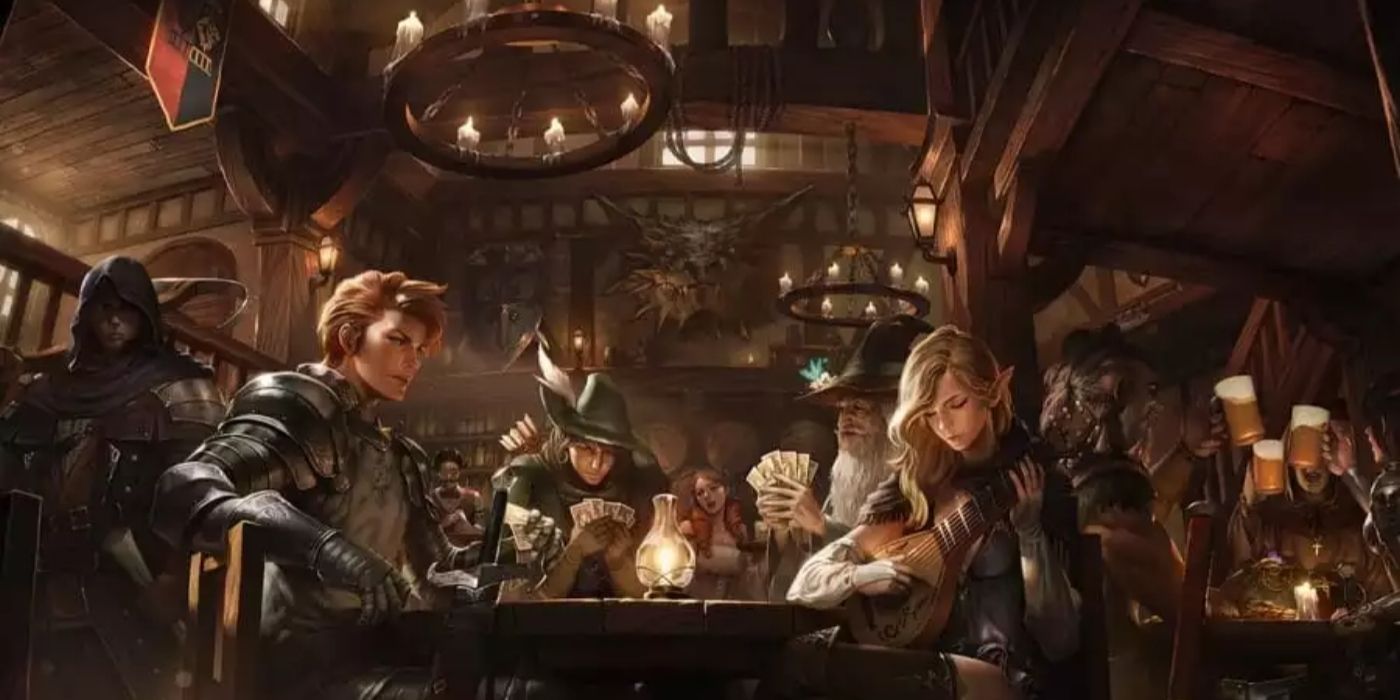
Tabletop RPG sessionsare essentially conversations between the Game Master and their player Qaeda . As a corollary , most problems that emerge in a tabletop gambling academic session stem from a want of communication between gm and players . Players often fall back to " Murder - Hobo " behavior and " ability - Gaming " when they call up their GM ’s sole end is to murder their characters , while GMs " railroad " in overabundance when they think their players ' exclusive objective is to wreck their intricately craft storyline .
player and GMs can easily nip these potential problem in the bud by having an honest talk about what they want before the plot start . In these"Session Zero " sports meeting - ups , the GM can run their " gamy concept " by players to see if it ’s something they ’d savour ( a classic donjon front crawl , a sci - fi military campaign , intrigue in an imperial court , a armed robbery in a glowering cyberpunk future , etc . ) ; in return , players can speak about the cool things they require their characters to do , devote GMs the hazard to adjust their secret plan to gibe player expectations .
Game Master Tip #2: Create a Detailed World Map With Blank Spaces
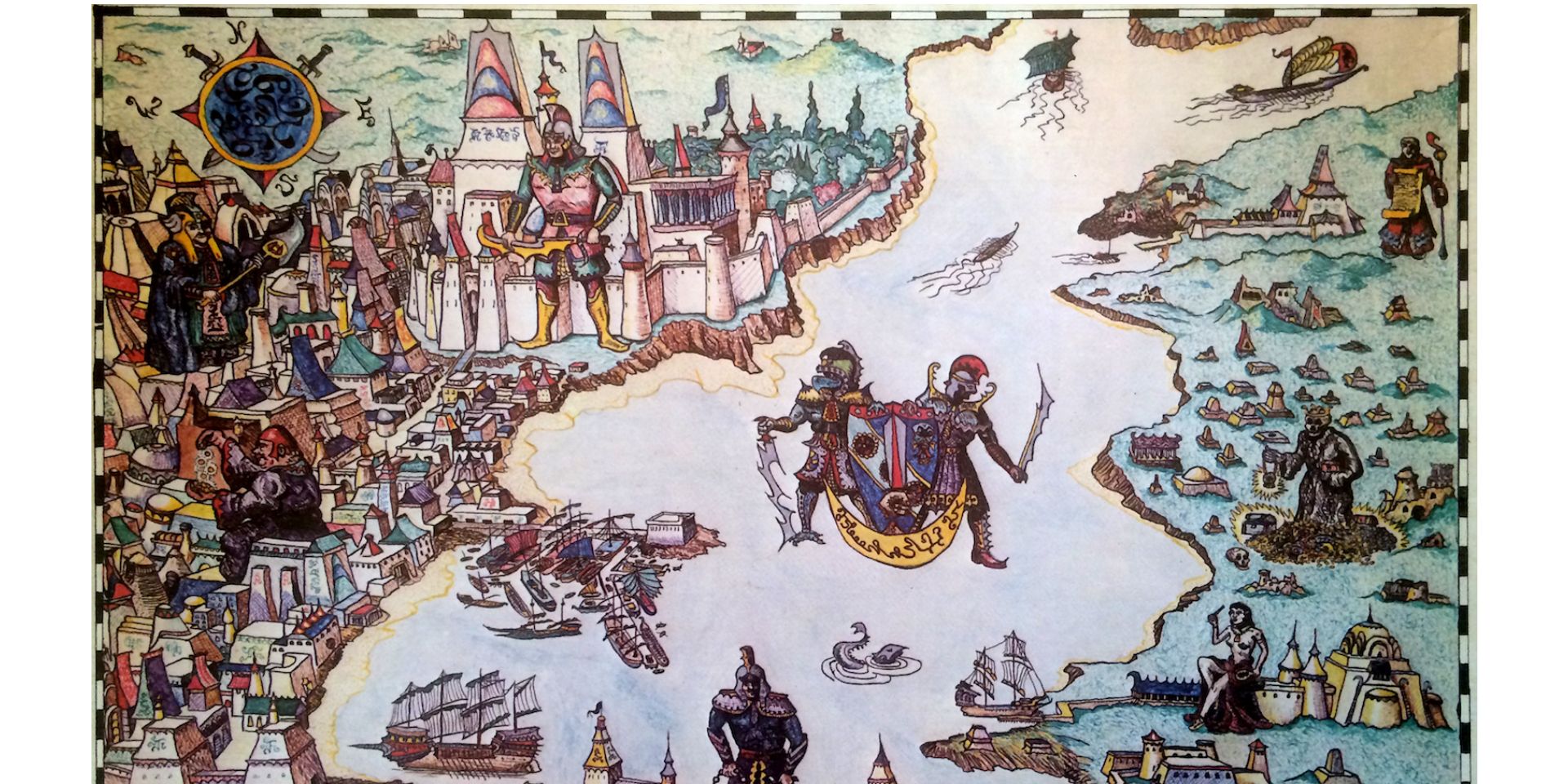
The"Powered By the Apocalypse " fantasy RPGDungeon Worldhas a succinct yet powerful slice of advice for aspiring Dungeon Masters:“Draw Maps , Leave Blanks . “A proper RPG cause world map , whether a classic Christopher Tolkien - style sketch or a futuristic head start chart , denotes the cathode-ray oscilloscope of the universe thespian can search , and more importantly , express them where the most interesting , populous locations are .
Related : Dungeons & Dragons problem Every DM Needs To defeat
When a GM lavishes item on a fictitious hi - tech metropolis called"The Vale Of Sparks,“curious players are more likely to inspect this location of their own accord . Furthermore , by leave blank spaces in their maps – " Here There Be Dragons"patches of sea , chartless sector of the galaxy , etc . – the GM creates veils of mystery to be uncovered , empty spaces fill up in by the ideas and desire of instrumentalist .
Game Master Tip #3: Create Multiple “Quests” That Intersect With Player Choices
Bothtabletop and computer RPGsoften lineament " Main Quests " and " Side - Quests " – big primary quests tied to the main plot of the safari , and secondary quests that deal with small localized issues and the bother of individuals . Game Masters who " railroad track " in excess will often focalize on their " Main Quest " plot - credit line at the expense of their " Side - Quests , " constraining actor who require to research the nooks and crannies of the man presented to them .
Nothing is more thwarting for an RPG player than hearing about a spooky lot and being tell they ca n’t go there , but by creating multiple " pursuance " for instrumentalist to keep up , Game Masters will have an library of interesting characters and sub - plot of ground they can pull out out to entertain their players in a pinch . Ideally , these multiple Quests should be tied to dissimilar locating in the campaign worlds , or linked directly to thebackstories of instrumentalist persona .
Game Master Tip #4: Slow Down The Story If You Need Time To Improvise
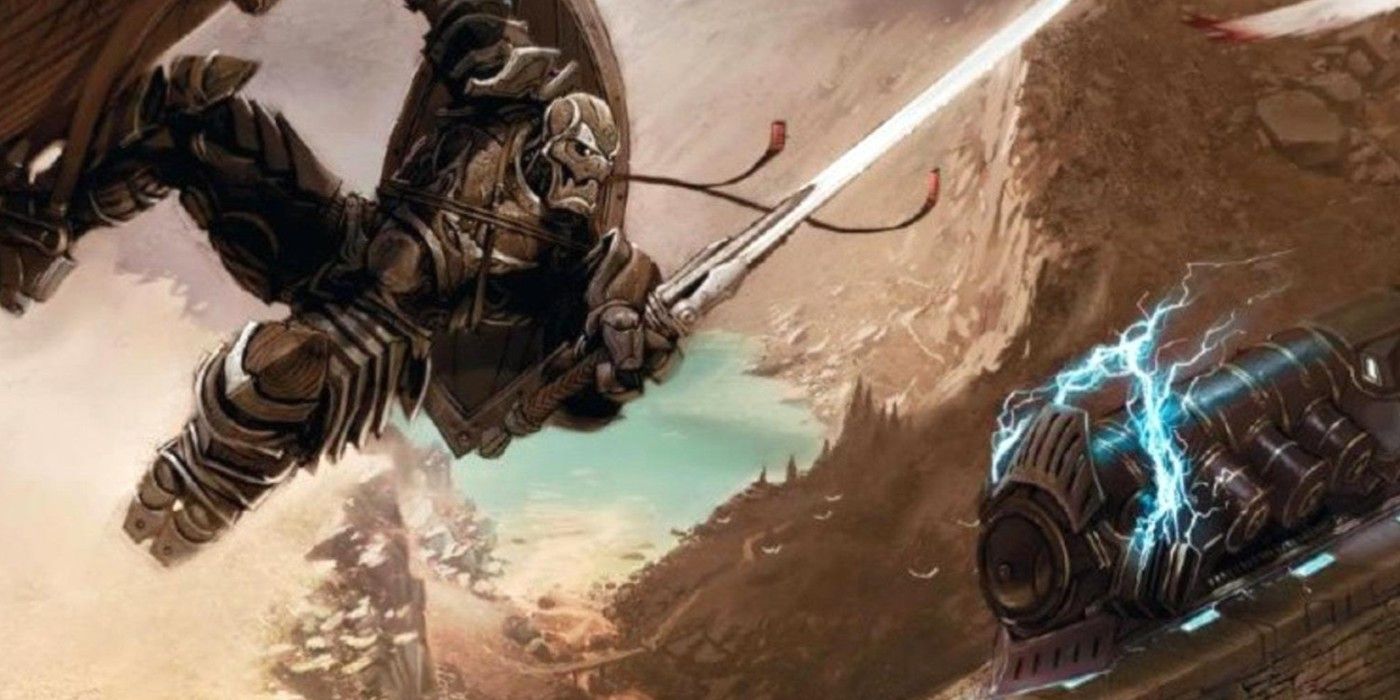
Sometimes Game Masters " railway system " their players because they ’re inexperient or stiffly stick to the original taradiddle concept of their RPG campaign . Other times , Game Masters wage in " railroading " behavior out of sheer panic , attempt to bring their game back on track after their actor choices mail all their plan crashing down . In situations like these where"the train has leapt the tracks"and the GM does n’t sleep together what to do next , it ’s often best to just slow down the pace of the story .
Related : How To Turn D&D ’s Elemental Sorcerer Into Ten subclass
Sometimes this means ending a session early and restart the account next week . Alternately , the GM can run game sessions where their phantasy hero shop for supplies , go bar - hopping , or visit former friends -peaceful , community - focused RPG narrativeswhere the players generate session ’s secret plan through inter - party conversation . What ’s of import is that the GM corrupt themselves time to calm down , think , and figure out what will happen next .
Game Master Tip #5: Be Fans Of The Players And Their Characters
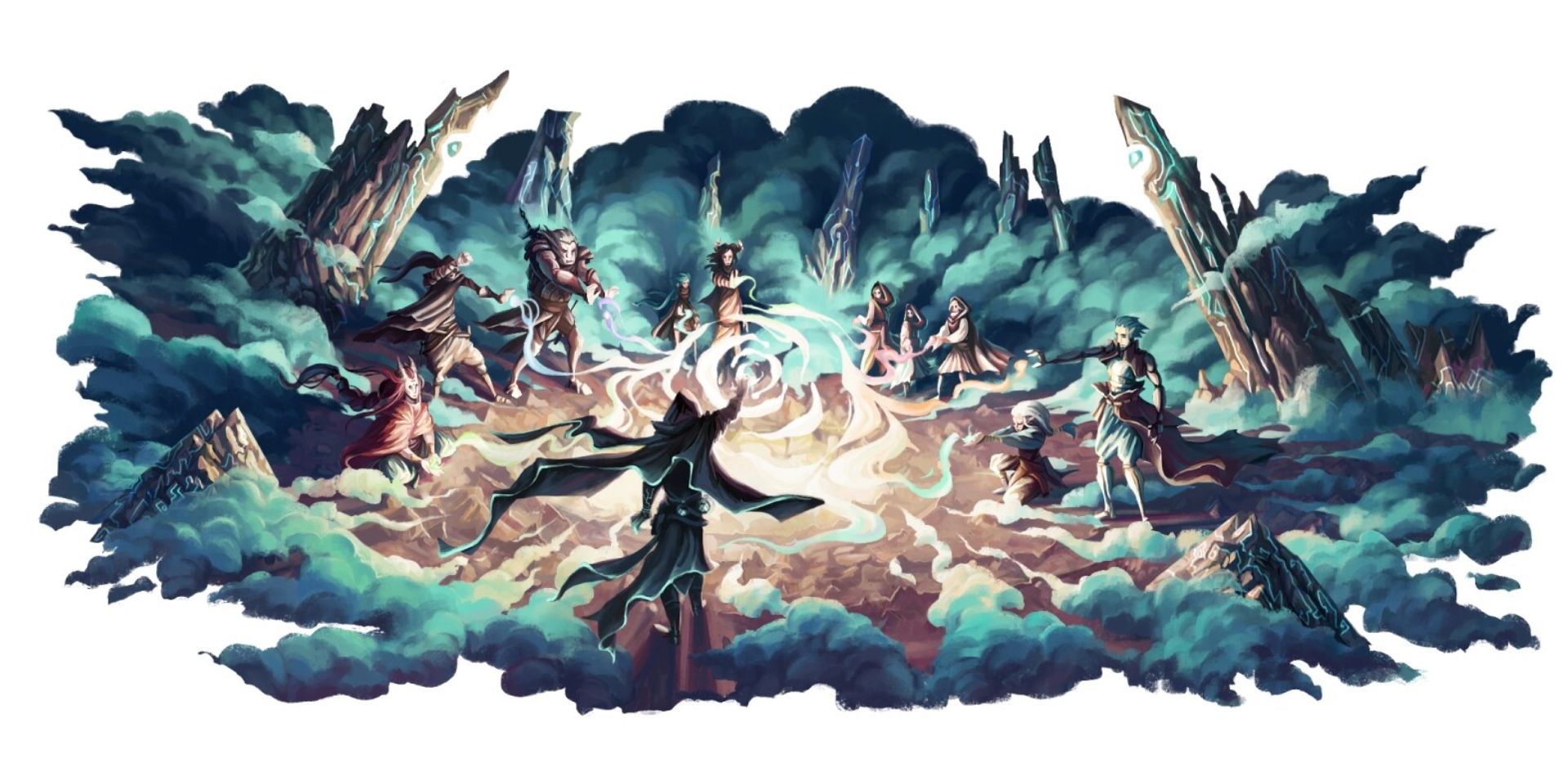
In a tabletop act game school term , the players and their type are the submarine of the story , not any of the NPCs created by the Game Master . consequently , one of the most crucial duties of a Game Master is to be a fan of the player ’s characters - jolly up them on when they triumph , consoling them when they ’re vote down , and expressing superbia when they do something ingenious or emotionally stirring .
Even in a scenario like the infamousDungeons & Dragonsmodule"Tomb Of Horrors"where intimately everything is judge to defeat the PCs , the Dungeon Master / Game Master should always be encouraging players to overwhelm the challenge set before them . With a outlook like this , players going " off the rails " wo n’t be a cause for alarum , but a reason for the GM to fete .
Next : keep & Dragons Rules Players Should Ignore