Dungeons & Dragons: Honor Among Thieves
In tabletop playact games such asDungeon & DragonsorApocalypse World , most epic story drive will feature a scoundrel or antagonist who casts a shadow over the players and their character reference . Whether as an malevolent overlord ruling over a land of darkness or a galactic imperium , a syndicate political boss who feasts on the corruption of society , or a disconsolate oracle who wants to come up gods of evil into the world , villain can challenge the musician character of an RPG campaign and give their triumph and downfalls superfluous weight … in particular if a Game Master use the following design principles to make their villainous characters .
Not alltabletop RPG storiesneed a scoundrel to be interesting , but an RPG movement story pore around conflicts over great power , resource , or ideology benefit from including a scoundrel more often than not . A crafty , deadly , and possibly even charismatic scoundrel can be a playfulness " last Boss " for players to overwhelm with personal computer abilities and tactical cerebration ; thematically , they can also make up the " drear side " of humanity , flaws in the human stipulation both players and their personal computer must overcome to save the world and grow as individuals .
Related : How To Play Non - trigger-happy Tabletop RPG campaign
Making a goodD&Dvillain character for a story oran RPG campaignis a tricky reconciliation act , however . They need to be powerful yet fallible , relatable yet repulsive , and , in the circumstance of tabletop RPGs , hard to defeat while not totally invincible . When trying to create an RPG villain that ’s interesting , full of complicated layers , and resistant to the gun trigger - well-chosen antics of " Murder Hobos , " the follow character creation rule will serve GMs well .
Give D&D Villains A Big Goal They’re Passionately Working Towards
scoundrel intabletop RPGs likeDungeons & Dragonsshould have goal of some form . Intelligent , charismatic , strategical villains generally have goals center around dramatically perpetuating or destroy a part of the world the " hoagie " live in and this , in turn , determines whether the heroes are protector of a just , happy world or revolutionary fight a corrupted , unjust world . Even when the villain is a an foreign animate being or mindless monster , they should still have long - term goals such as " glut their thirstiness , " " reproducing , " or " evolving into a more dangerous form . "
The important matter is that the villain is invariably ( and turbulently ) influence towards their end , even when they ’re not in front of the actor . Narrative RPG system like " Powered By The Apocalypse " or " excogitate In The Dark " frequently use clock diagrams to measure just how close a villain ’s scheme is to completion ; if histrion do n’t intervene and all the " spokes " in the " clock " are checked off , the villain ’s dodge comes to realization , a DoS of affair generally sorry for the PC and their have it away ones .
Decide In Advance How Sympathetic/Detestable D&D Villains Should Be
The moralityalignments ofDungeons & Dragonsdivide " bad guys " into three types of villainy : the Lawful Evil villain , who upholds a abrasive societal order with unpitying means , the Chaotic Evil scoundrel who revels in ferocity , discord , and the suffering of others , and the Neutral Evil baddie who will sacrifice everything and everyone for their own personal benefit . When it come to the goals of " villain " in an RPG campaign , it ’s also potential to codify their behaviour by involve whether their motivations are selfish or altruistic in nature .
Related : What D&D Alignment Is good For Your Character ( & How To Decide )
If a Game Master wants to make their scoundrel sympathetic to the optic of actor , they can give state villain altruistic ( albeit twisted ) motivations , putting their " evil " acts in service to a noble end finish . To ensure thespian sympathy , a GM should show their " openhearted villain " making " evil " choices with reluctance , and gladly take kinder option if they become available . A " selfish " villainDungeons & Dragonsplayersare meant to detest , on the other hand , should be impersonate as someone who will lief commit barbarousness if it bring them joy and lucre , treat the people around them as objects for entertainment and respond badly whenever the world does n’t obey their whimsy .
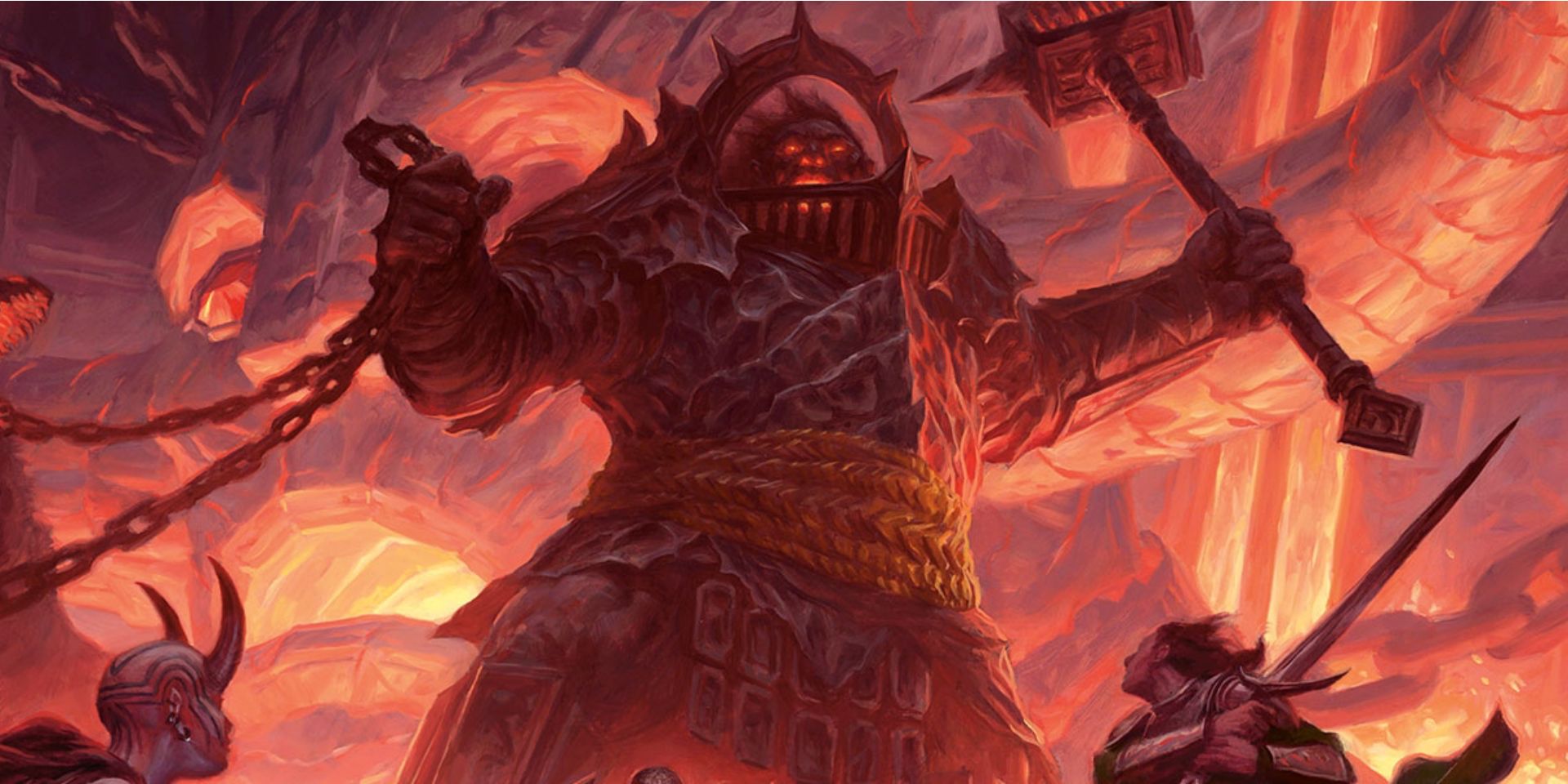
Give Villains Abilities & Aesthetics That Mesh Well With Their Personalities & Vices
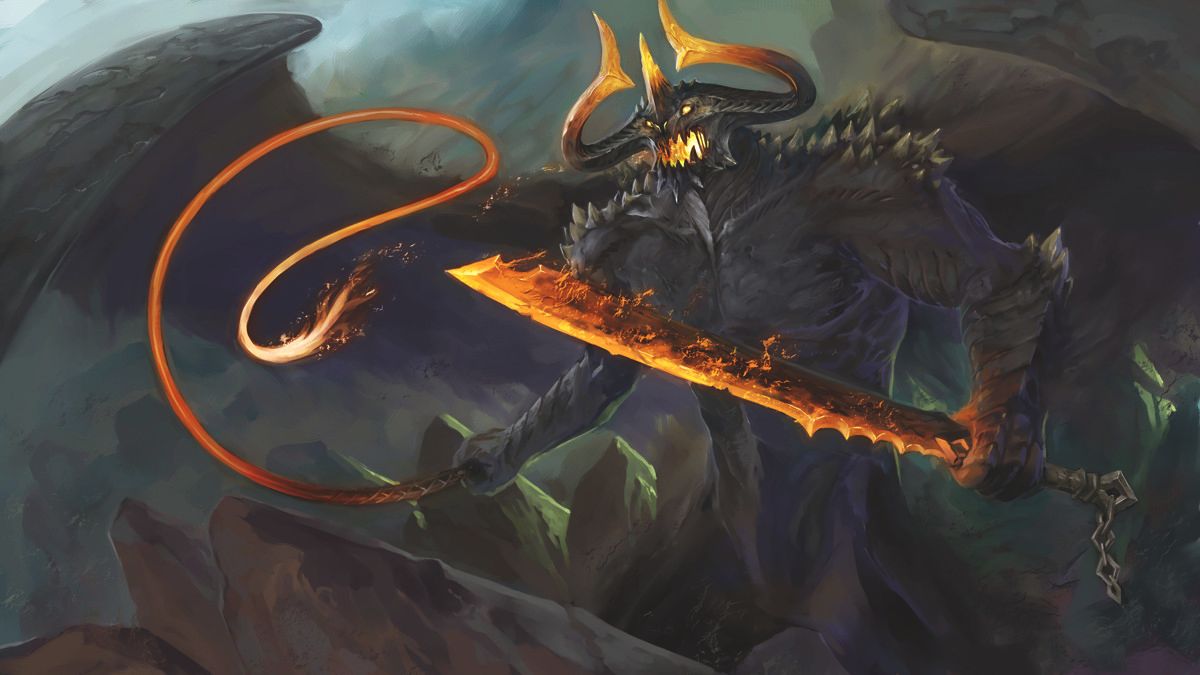
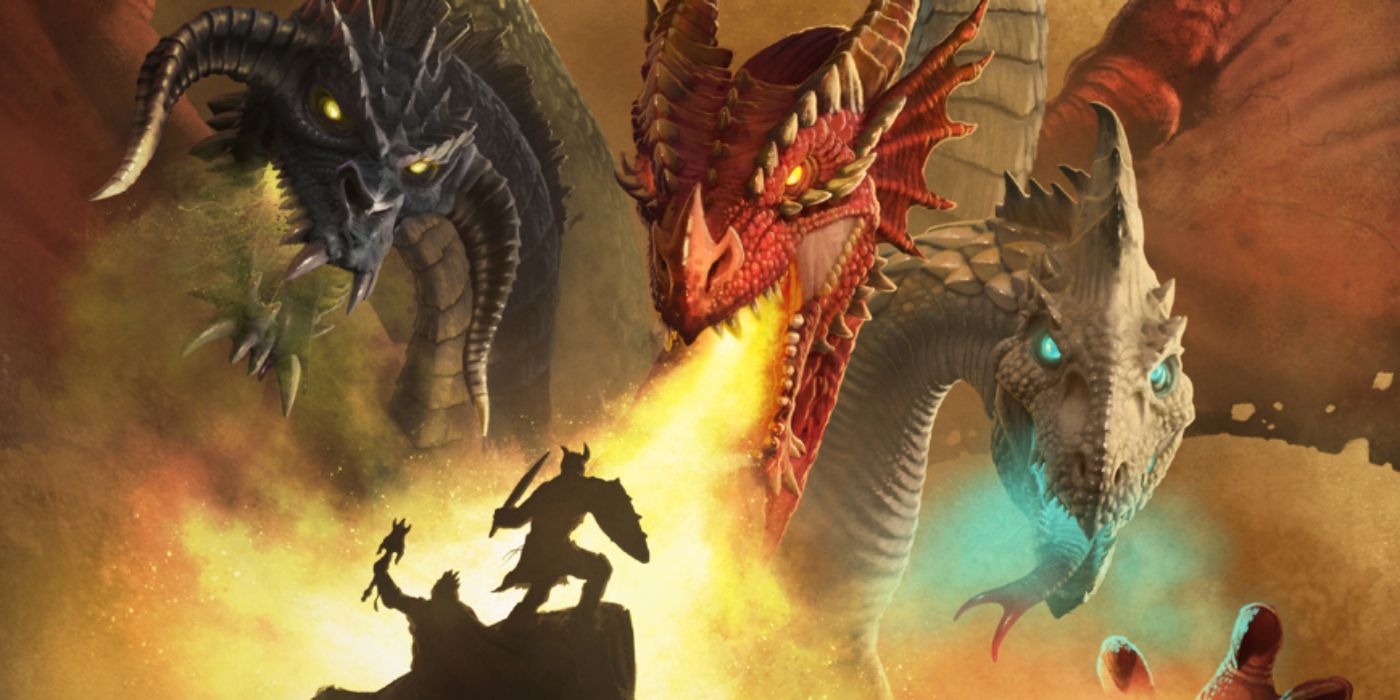
Villains defined by their greed and avarice frequently dress in ostentatious habiliment and may have the power totransform into a Dragon . An emperor with a god composite may fatigue mountain of purple , assume a crown shaped like a halo , and storm their enemies to kneel with gravity magic . A dark wizard who lusts for all the secret of the worlds will almost always carry many volume on their person and have the power to read people ’s minds .
By thematically equalize the appearing and power of a villain to their personality traits and vices , the GM can either presage a villain ’s true power to participant by draw their personality , or prognosticate their true villainous personality through the nature of their abilities and resource . Also , " personality might " are just plain nerveless and great for roleplay opportunities for both instrumentalist and the GM .
D&D Villains Should Be Challenging, But Never Frustrating
Books , motion picture , and tv set shows frequently feature shot where a scoundrel absolutely eclipse the heroes at the beginning or mid - period of a story ; sometimes they show up out of nowhere and effortlessly thrash the heroes in undivided armed combat , or mask themselves as a trusted alley before revealing their true colours with a dastardly treason . In Good Book , movies , TV shows , and even video plot cutscenes , these form of scenes are powerful ways of establish just how unsafe and circuitous a villain is .
tie in : Dungeon & Dragons : Encounter Ideas For Urban preferences
In tabletopRPGs likeDungeons & Dragonshowever , " unstoppable " villains are just frustrating for the player who require their characters to have way , while " trusted allies " who divulge their true colors as villains further gamers to indulge in " murder - hobo " behavior as a pre - emptive condom beat . This does n’t mean the Game Master of an RPG shouldnevercreate muscular , Janus-faced villains ; rather , they should always give their players the prospect to react to a baddie ’s legal action in fun , interesting way .
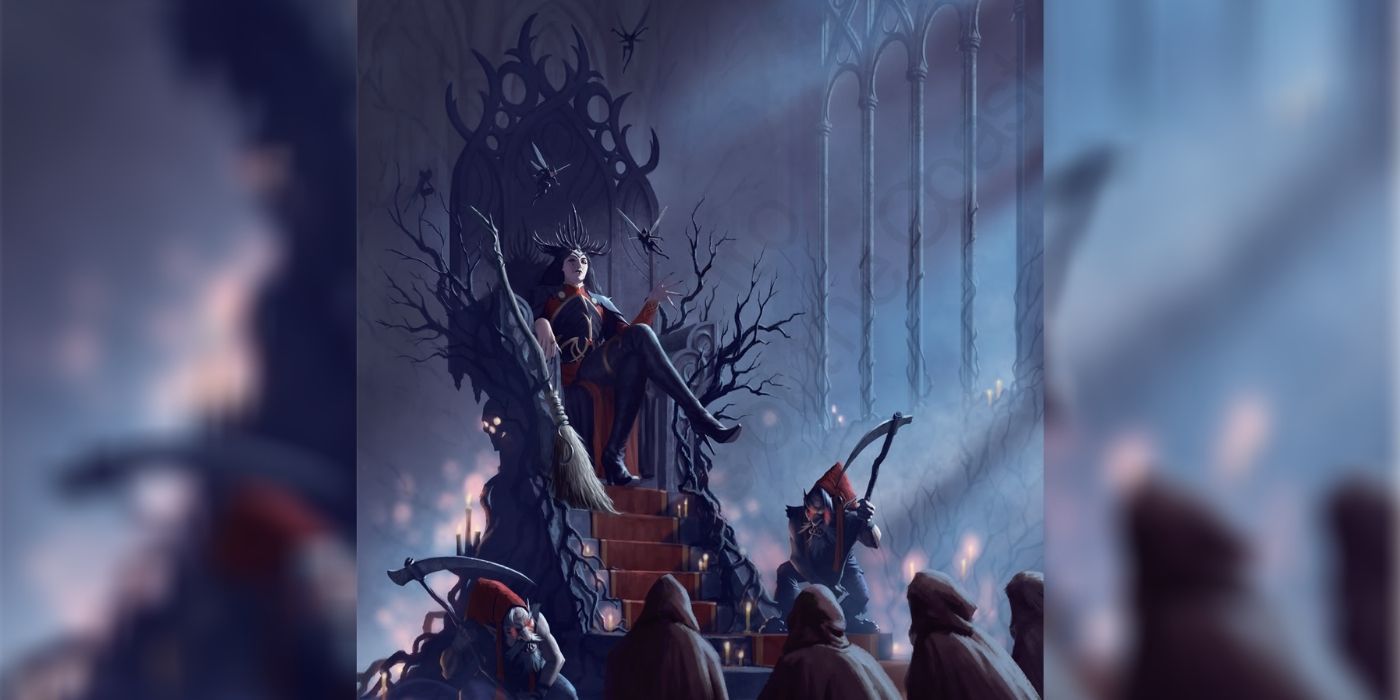
A villain who ’s too elusive to be kill can still be pin down or lured out of the way , while a villain who obliterate behind minions , dupes , or camouflage can still be exposed or corner by a sufficient ingenious contrivance . And if the villain gets prematurely killed by PC ’s canny plan orluckyDungeons & Dragonsdiceroll ? Then the Game Master should reinforce the players for their heavy body of work by having their villain crumble with a evacuant screeching of desperation , then retread their tale to work without them .
Next : Tabletop RPGs About recreate Fantasy Minions , Not hoagie