Dungeons & Dragons: Honor Among Thieves
The other editions ofDungeons & Dragonshad their fair portion on nonsensical principle , but one of the most bizarre tangled clerics being ineffective to use sword , based on a misconception regarding substantial - life medieval holy men . Clerics are the cornerstone of anyDungeons & Dragonsparty , as the ability to cure their allies is often the only affair keep the chemical group alive when facing the horde of evil .
Players who become effective healers inDungeons & Dragonsgameswill quickly earn a lot of friend at the mesa , but there is more to the ecclesiastic division than just sewing up wounds with magic . Clerics are primary spellcasters , with an arsenal of thaumaturgy that can equal that of their arcane cousins . The holy / demonic powers at the command of a churchman allow them to turn undead goliath to ash , or bind them to their will and force them into servitude . ecclesiastic can clothe themselves in armour without it affect their spellcasting abilities , and they can enter combat in a pinch in lodge to administer some holy ire into the skulls of the non - believers .
refer : Wizards of the Coast Change Dungeons & Dragons To plow Systemic Racism

cleric have a lot going on for them , but they had a uncanny restriction in the older editions of the secret plan . One of the earlyDungeons & Dragonsrulesthat made no sentiency involved clerics not being able-bodied to expend bladed weapons . According to thePlayer ’s HandbookinAdvanced Dungeons & Dragons(quoted below ) , this was due to clerics not wanting to shed unneeded lineage .
" Clerics are stout soldiers , although their selection of weapons is limited . They can wear any type of armour and use any shield . received divine , being reluctant to moult stock or spread fury , are let to use only blunt , bludgeon arm "
There are two major problems with this reasoning . The first is that this rule applied to all clerics , regardless of their god . This mean that clerics who idolise the god of murder were loth to shed stock . The 2nd problem is that bludgeoning weapons are still likely to cause bloodbath , as bashing someone ’s drumhead in with a macebearer is hardly more peaceful than cutting them with a vane .
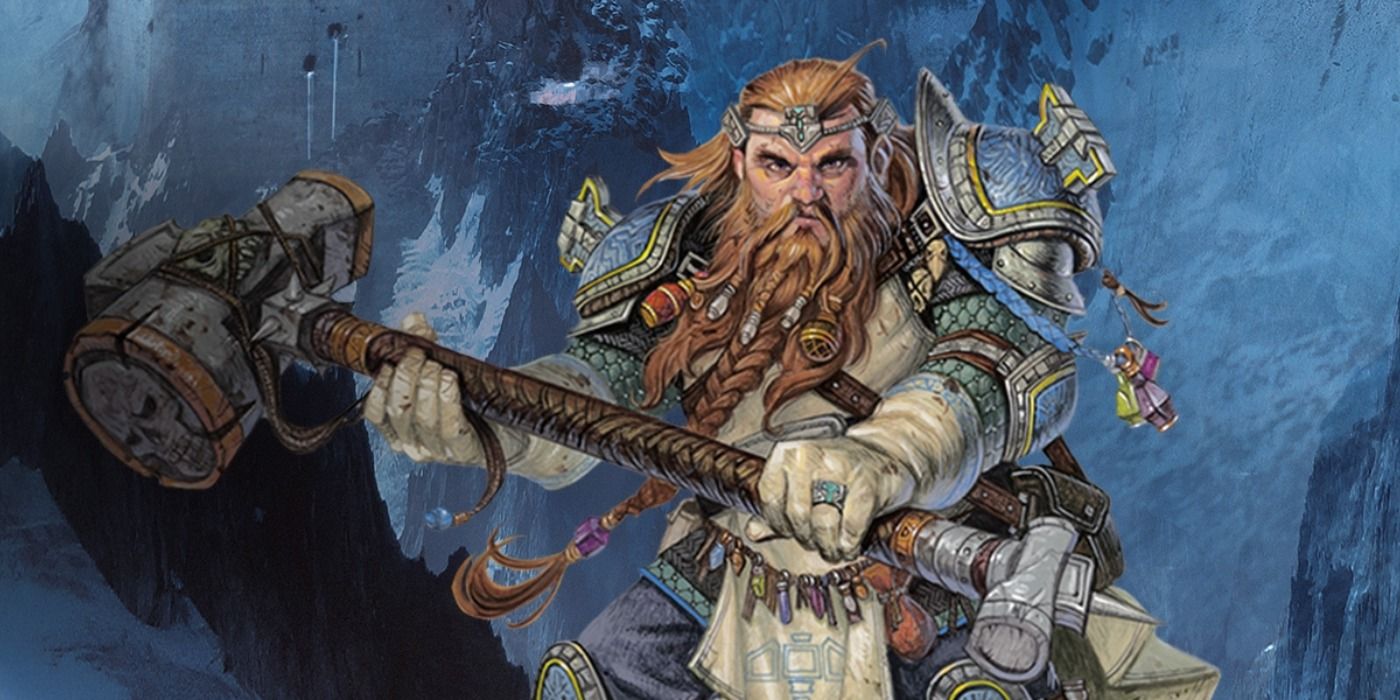
On the surface , it might seem that this rule was created for balance reasons , asclerics could already satiate many character inDungeons & Dragons . However , it turns out that the rule exists due to a diachronic figure known as Odo of Bayeux . Odo was the Bishop of Bayeux and he crusade during the Battle of Hastings . A ikon of Odo can be seen on the Bayeux Tapestry , where he is shown leading men into engagement while wielding a club . agree toThe Evolution of Fantasy Role - Playing Games , there was a misconception that Odo fought with a macer in monastic order to nullify shedding stemma , as he had sworn a vow of nonviolence . It ’s unlikely that this is the case , but the apocryphal story regarding Odo ’s actions seemingly inspired several generations of clerics inDungeons & Dragons .
Thankfully , the weapon system restrictionrule was removed fromDungeons & Dragonsin the third edition of the game . start with third edition , clerics could utilise any weapon they were good in using , though they often chose the one that was favored by their god . Many good clerics still rocked the macebearer , mallet , or flail , as they were effectual weapons against the undead , butDungeons & Dragonsno longer forced them to use these weapons due to nonsensical restrictions .
Next : Dungeons & Dragons New Campaign Is Icewind Dale : Rime Of The Frostmaiden
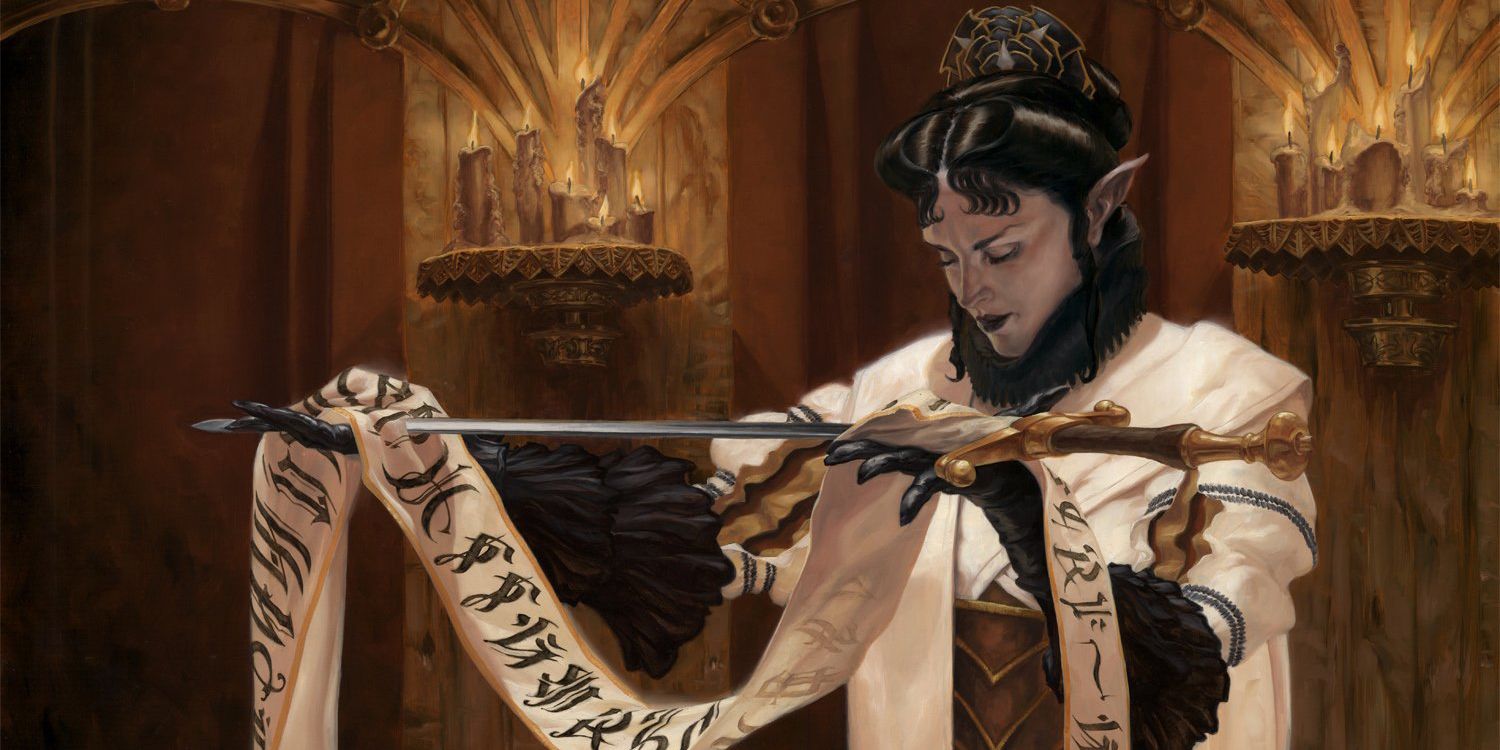
reservoir : The Evolution of Fantasy Role - Playing Games / Google Books

