Dungeons & Dragons: Honor Among Thieves
As a tabletop " simulator " of mediaeval fantasy escapade , the roleplay gameDungeons & Dragonspurportedly immingle strictly grotesque elements like elves and dwarves , magic and monster , with tale image supposedly line from chivalric history - swords and buckler , collection plate armor and leather vests , Billie Jean King , queen , baronial horse , guilds , etc . " purportedly " is the cardinal word here , for a lot of the gothic weapon and armor inDungeons & Dragonsare portray inaccurately – both in terms of verbal description and their mechanical utility .
Gary Gygax and Dave Arneson , the co - creators of theoriginalDungeons & DragonsRPG , probably would have been familiar with medieval history thanks to being fan of historical tabletop wargaming long before they devised the rules for the Earth ’s first act plot . They were n’t professional medieval historians , however , and a good portion of the " chivalric " world - construction detail they injected intoD&Dwere drawn from phantasy novel , menses movies , and plebeian pop music - culture misconceptions , particularly when it comes to weapons and armor from the Middle Ages .
link : Dungeons & Dragons : The Strongest Build For Dual - Wielding
A lack of realism is n’t always a bad matter in tabletop RPGs . Indeed , Dragons , Magic Missiles , and other unrealistic parts ofD&Dare a big part of what makes the plot so great!D&DDungeon Masterswho do need moreverisimilitude in their games should definitively pick up more about the arms and armour " goofs " listed below , and what medieval fighting was actually like back in the mean solar day . By infusing their campaigns with real diachronic details about how homo and women fought 100 of years ago , DMs can give their game a subtleauthenticityplayers will notice and enjoy .
D&D Armor Goof: “Hide,” Padded, & Leather Armor Worked Differently
The termsDungeons & Dragons5th editionuses for for certain types of average and heavy armour , like half - dental plate , splint armor , or chain ring mail , are a lilliputian vague compared to the terms factual military historians use ( almain rivet , brigandine , hauberk ) , but do more or less correspond with real knightly plate , mail service , and shell armour types . When it come to light , non - metal armour , though – slog armor , leather armor , hide armor – theD&Darmor list gets a lot untimely .
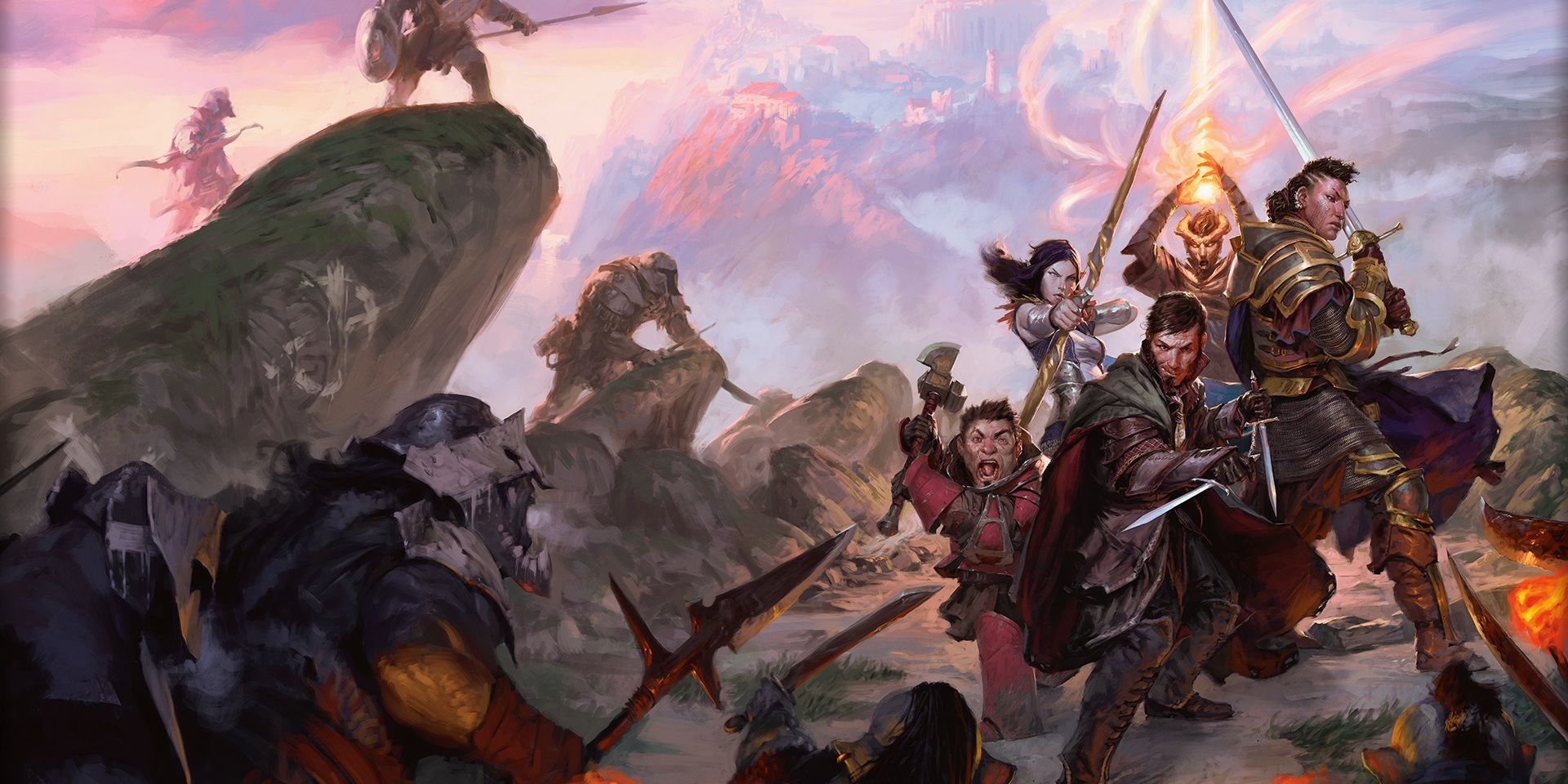
Hide Armor – that is , new untreated creature hides crudely stitched together into a protective vest – never existed outside movies , books , and video secret plan featuring"noble barbarian " savage . So - called " barbarian " cultures such as the Norse , Goths , Gauls , and Picts wore armor of metallic element and treated textile just like their " civilized " antagonist . Padded Armor , the weak of the armour set inD&D5e , was actually far more utilitarian in real life-time than the RPG imply . The Ancient Greek"Linothorax,“made of layers of glued linen paper , reliably blocked arrow and spear - thrusts , while the medieval " Gambeson"jacket , made of quilted layer of cotton , linen , and wool , could guard off bludgeoning and abridge attacks .
Leather armor did exist in medieval times , but not in the bod - meet , flexible styleD&Dartwork or goggle box shows likeGame of Thronesshowcase . To protect its wearer from bludgeoning , cutting , and pierce flak , the leather in a suit of armor had to be boiled into a stiff , stiff form . For this reason , many historical form of leather armour , particularly the suits wear off by Byzantine Cataphracts , Mongolian horse archers , and Japanese Samurai was lamellar , with set roofing tile of leather and alloy meander together into scale layers of protection .
D&D Armor Goof: Plate Armor Didn’t Restrict Mobility
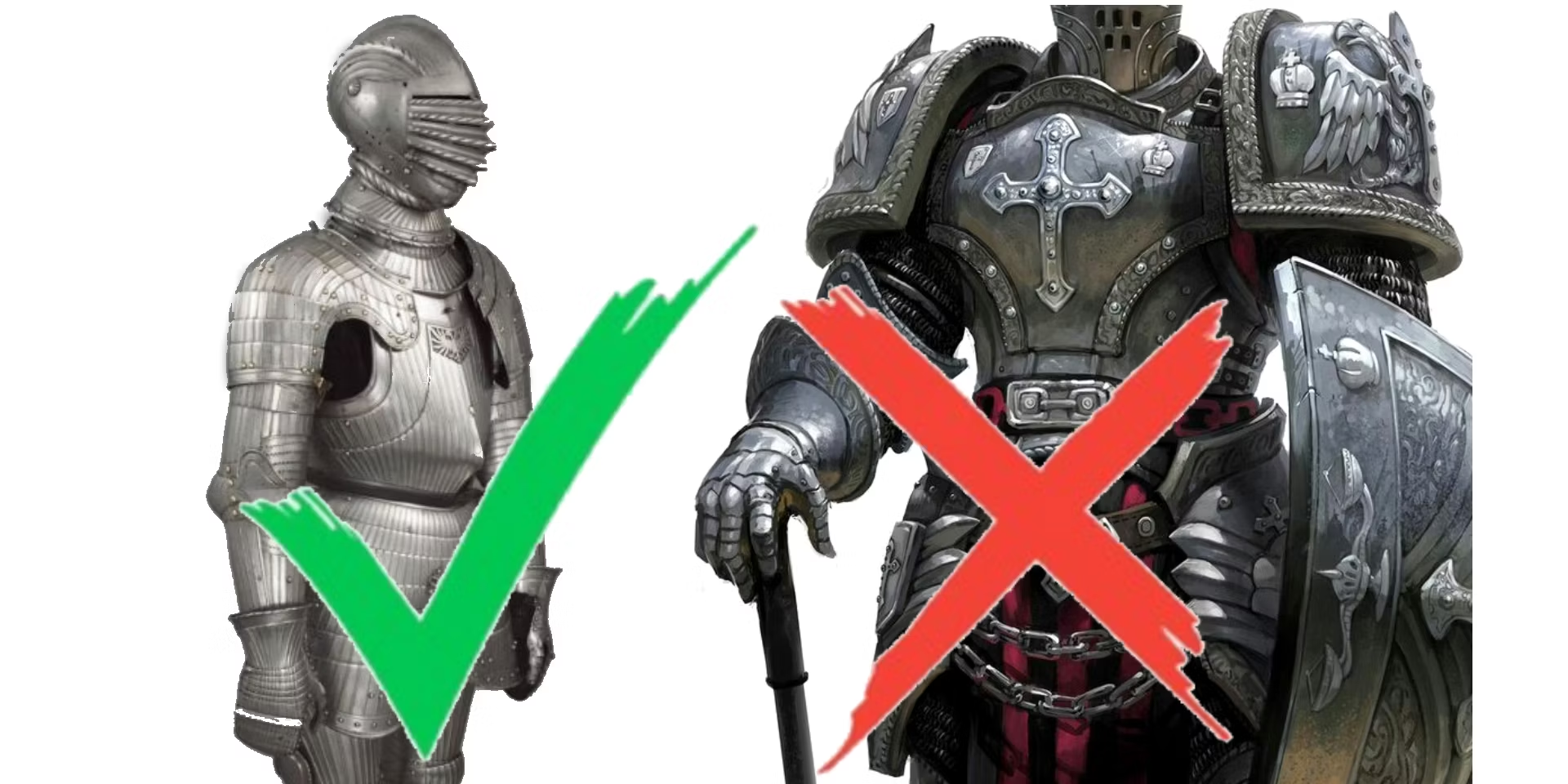
Most masses these days clear the Victorian myth of clunky , cumbersome plate - armour knight being hoisted onto their horse via crane is just that - a myth . Even so , it ’s easy to overestimate the weight of a full suit of crustal plate armor and underestimate the flexibility and mobility of knights and valet de chambre - at - arms who wore them .
Related : Why Slings Are The Worst artillery In D&D ( & How To Make Them useable )
The equipment rule onD&D Beyondclaim an median set of Plate Armor weighs 65 pounds ; in contrast , historian from theMetropolitan Museum of Artclaim most historic , conflict - ready suits of denture actually weigh close to 45 pounds , a lighter essence further lessened by the courtship ’s even distribution of weight across the chest , head , and arm of the dead body . A strong , well - conditioned horse in a cause of home base could overleap over fencing , climb onto horse , and do forward curl without much exit ( noDemon ’s Soulsstyle"fat rolling " here ) . At the top of the armorer ’s craft , a well - made suit of plate could push back arrows , steel - swings , axe gas , and even , under the proper circumstance , smoke from a gun .
In mostDungeons & Dragonscampaign options -Eberron , Dragonlance , Forgotten Realms , Planescape- muzzle - loading firearms are prominently absent , presumptively because gear up Maker reverence the front of firearms would make steel armor , screen , and other nerveless chivalric gear obsolete . In real - animation , though , there are several sword breastplate artifacts from the Late Medieval / Early Modern era with " Bullet - proof " marks , round dents in the armor where a round bullet impacted but flush it to sink in . Many of these marks were likely made by armourer trying to show off the effectiveness of their armor , but even so , breastplates , steel helmet , and courtship of photographic plate co - existed with matchlock muskets and bronze cannons for centuries , capable of reject bullets from a distance , if not at point - vacuous .
D&D Weapon Goof: Bows Need Strength, Greatswords Need Dexterity
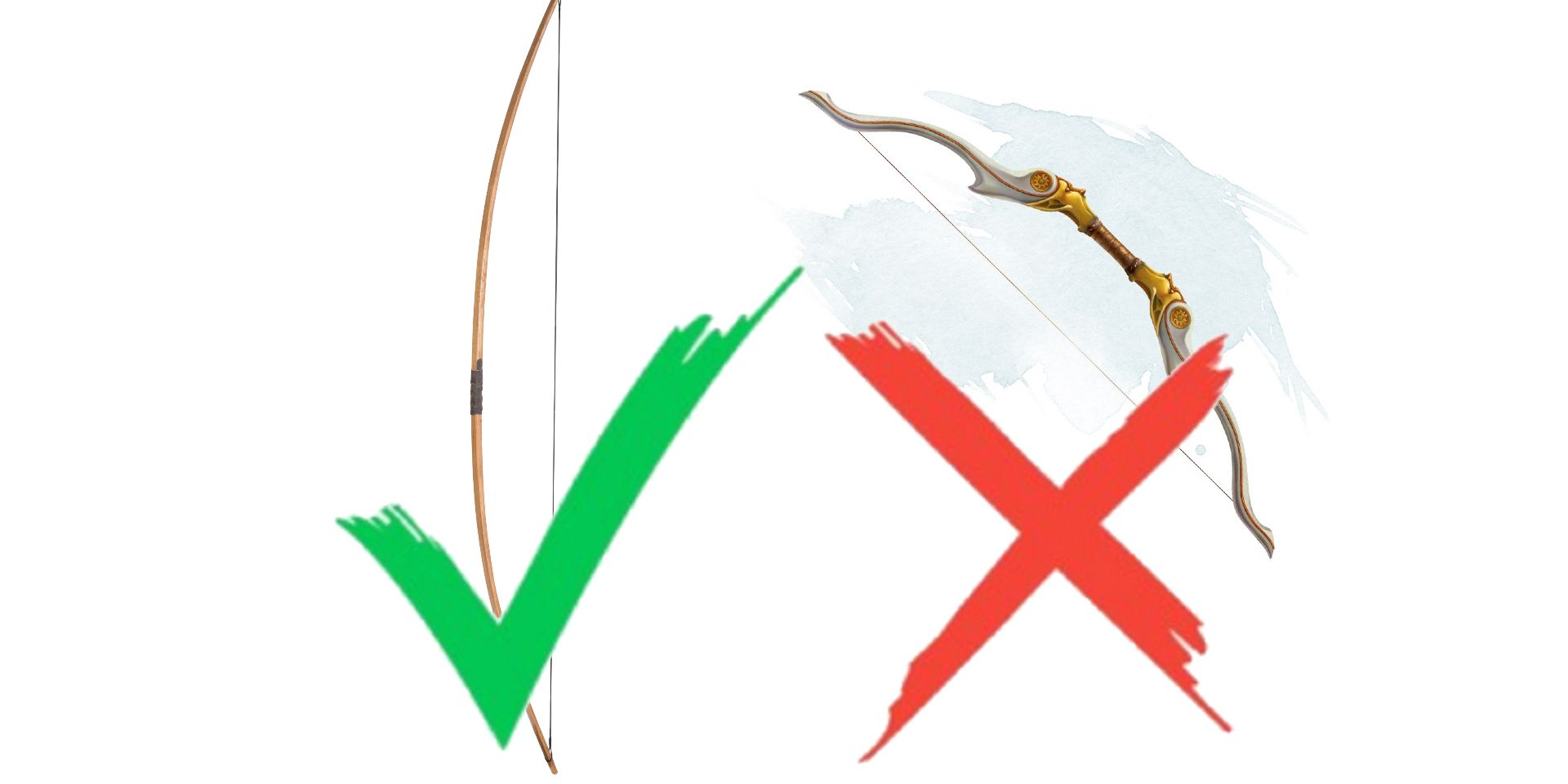
InDungeons & Dragons , weapons are divide into two categories : there are Strength weapons , which use a player eccentric ’s potency score to calculate accuracy and scathe , and Dexterity Weapons , which practice the wielder ’s dexterity grudge . Most melee weapons inD&Dare Strength - based , while most straddle weapons are Dexterity - based , leading to scenarios where min - maxing players create a high - Str , low - Dex warrior who can adhere a bear in half with their Greataxe but ca n’t tie their shoelaces , or ahigh - Dex , low-spirited - Str archerwho can take a bear ’s eye out with their long - bow , but ca n’t win an branch - wrestling compeer with a frog . Besides being just plain silly , these character builds are just plain ahistorical .
Anyone who ’s ever fired a hunting bow knows an archer postulate hatful of strength to draw back the prow string to its proper firing distance . Beyond hunter fore , the longbow and composite bow used by medieval militaries likely had take out weights close to 80 pounds ( a figurehistorians from Cambridge Universityderived from mathematical molding and experimental bows made by historical re - constructionists ) . Essentially , an archer from the Middle Ages would need to be both inviolable and dexterous to utilize their bows to their fullest potential .
Related : How D&D combatant Can Get Overpowered Fast
Melee weapons like swords , maces , and halberd also required a good mixture of strength and dexterity , though not as much strength as modernistic multitude sparse . The medium one - hand European equipping sword weighed a mere 2 - 4 pounds , while even the heaviest two - handed " Zweihander " great - brand seldom count more than 10 British pound sterling . The " slab - of - metal " greatswords seen in many illusion games ( Cloud Strife ’s Buster Sword , for instance ) would have been a source of back - aches on the battlefield , while also being too momentous to ensure .
wayward to the nonobjective rules ofDungeons & Dragons , which boost players to specialize in either Strength or Dexterity , true artillery passkey of the Middle Ages cultivated every forcible quality : dexterity to walk out accurately with a weapon , forte to make it hit hard , and stamina to keep swing over over and over . Theoretically , theDungeons & DragonsRPG combat rule could be hackedso that Dexterity would act as an truth bonus , Strength would act as a damage incentive , and Stamina would determine how long a player could keep swinging their blade without ache from enfeeblement . A sweeping normal modification like this , however , might unbalanceD&Dgameplay or de - incentivize musician from specializing their fiber .
D&D Weapon Goof: One-Handed Flails Were Probably Not Used In Battle
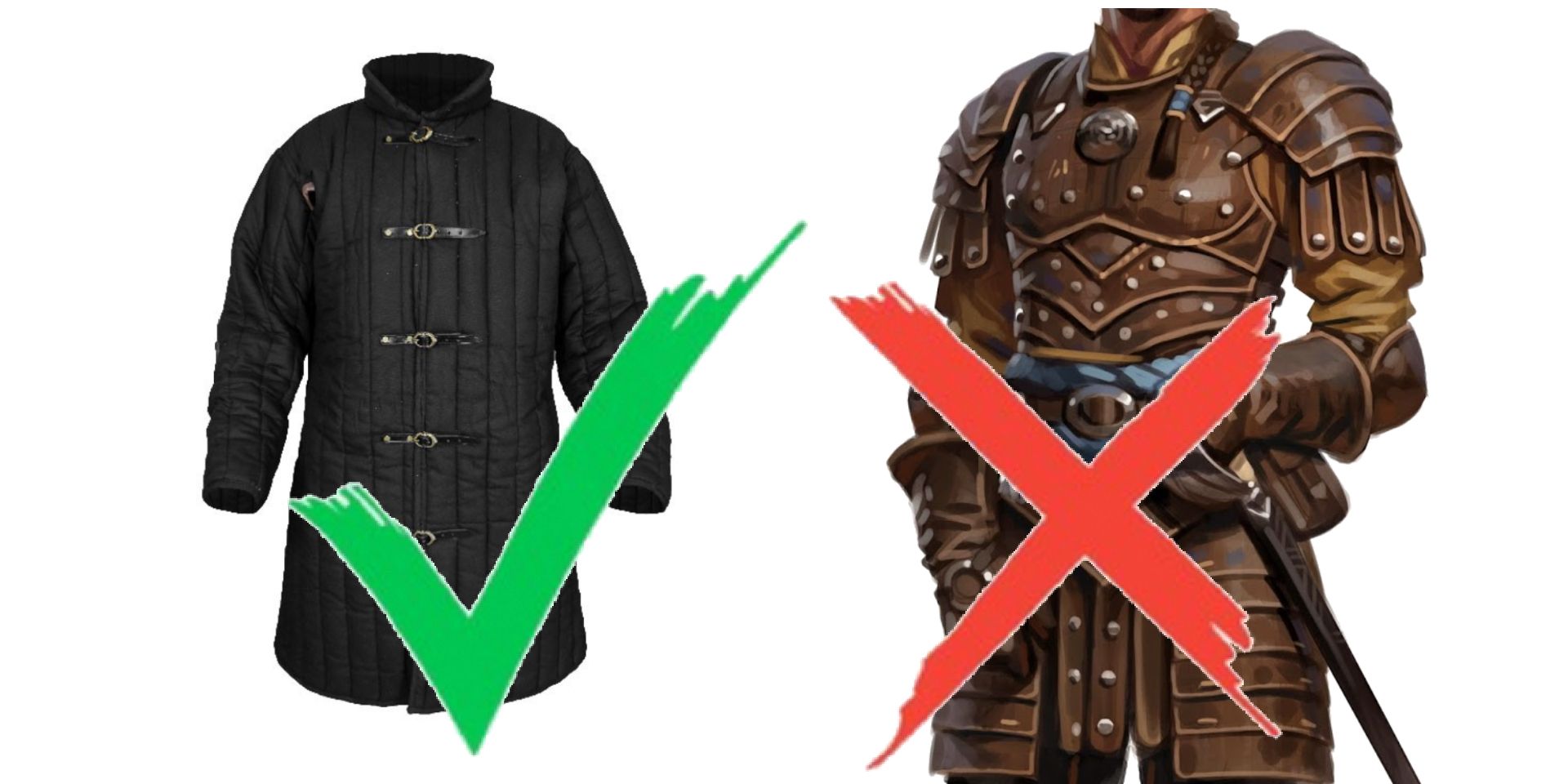
The medieval flail , seen in recent medieval artwork , Dungeons & Dragonsweapon lists , and modern chivalric filmslikeKingdom of Heaven , is a variant of one - handed macebearer where the spiked head dangles from a short mountain chain . Knights on horse - back purportedly twirled this artillery before striking with it for extra impact . It looks brutal , daunting , barbaric … and was probably never an actual military weapon .
Historically , most flails were agricultural tools used by granger in various cultures to flail out metric grain . Nunchucks , the warriorlike arts artillery famously used by Bruce Lee in his soldierlike arts plastic film , allegedly come out out as a farmer ’s prick adapted to Okinawan warlike artistic production , while flail - heads ride at the end of tenacious rung were occasionally used by impromptu artillery by European peasants who had to fight . Few of the one - handed steel - forged flail base in museums and collections really go out back to medieval time , strongly suggesting the flail was more of a collector ’s item for the racy than an an factual , pragmatic tool of war ( corresponding to those needlessly ornate phantasy swords sold on innovative day " martial art " web site ) . It ’s strangely appropriate thatDungeons & Dragons , anRPG built around fancy elements , includes flails and other weapon system of a strictly fantastical stock .
Next : D&D class And Subclasses For Players Who Want To Make Blacksmith PC
root : D&D Beyond , The Metropolitan Museum Of Art , Cambridge University Press