Dungeons & Dragons: Honor Among Thieves
Decades after the first editions ofDungeons & Dragonswere published in the late seventies , the majority of tabletop roleplay games currently on the market still pair storytelling with with die - rolling - using the S of die ( or card or coin ) to introduce twists of fortune and destiny into the plot woven by players and game professional . But when should die be rolled during a tabletop RPG school term , and are die even necessary to run a well RPG campaign ? There are no hard answers to these questions , but there are a few consistent principle Game Masters should keep in mind .
When game designers Gary Gygax and Dave Arneson get along up with thecore rules forDungeons & Dragons , the world ’s first roleplaying game , they take over the dice - wind mechanism used in tabletop warfare game of the time to decide the outcome of risky or serious actions during their fantasy game sessions . Rolls made to lash out enemies were conclude by roll a twenty - sided die , adding a incentive from a actor character reference ’s property , and comparing it to a rigid difficulty rating , while other polyhedral dice were used to calculate weapon system damage , detect yap , listen at threshold , etc .
Related : Tabletop Games Where Players Create Their Own New Languages
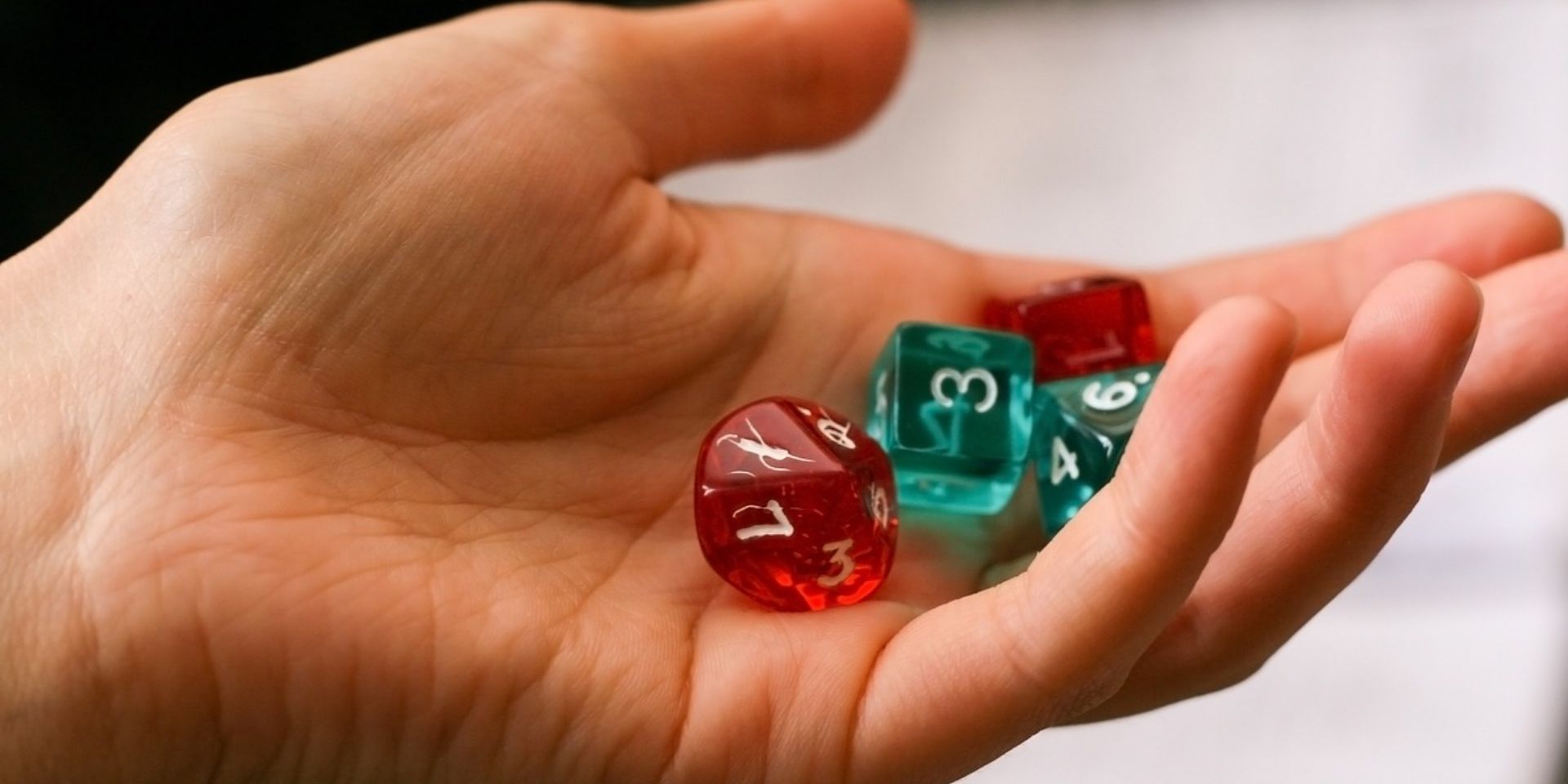
Tabletop RPGs thatcame after and built onD&D- RuneQuest , Shadowrun , World Of Darkness , Apocalypse World , FATE- make out up with new , wide-ranging mechanics for reckon out the probability of role player characters succeeding or failing at their heroic deed . Some of these games use percentile die , others dice pools of six - sided or ten - sided dice . intimately all of these RPGs used the same precept of " roll die , add incentive found on PC abilities , then equate to a pre - set difficulty rating . " More important thanhowonerolls dice in a playact plot , however , is the interrogation ofwhenRPG players should roll die .
RPG Players Should Roll Dice During Moments of Danger & Challenge
out of doors of combat scenes , stealthy infiltrations , and tense negotiation , players do n’t really ask to roll dice or even look at their character sheets into order to toy through a session of a tabletop RPG . All they need to do is listen to the Game Master ’s descriptions , line what their characters do and say in reaction , thenwork with the Game Masterto figure out the logical consequences of said action . vulgar sentiency and real - world experience will answer for playact scenes that take place in peaceful , friendly places - buy a street urchin some dinner party , for instance , and they ’ll likely be glad to talk about the secret and rumors they ’ve overheard .
die rolls in tabletop RPGs ( and the rule used to interpret them ) mostly come into play during percentage of the narrative that are dangerous and difficult - fighting through a dungeon , infiltrating a space station , negociate a ceasefire , etc . Everyone desire their " original characters " to be coolheaded , competent badasses who rip off jaw - swing feats of derring - do … but without the actual risk of failure , the " feats of derring - do " players describe are fundamentally meaningless .
Purelynarrative tabletop RPGswhere the Game Master decides outcomes by fiat also execute the risk of resembling those puerility game of " Cops and Robbers " where kid argue back and off over " who shot who . " Dice , in this obedience , are a " whipping boy " of sorts for player in a tabletop RPG ; when things go poorly for players or GMs , they can pick the die alternatively of each other .
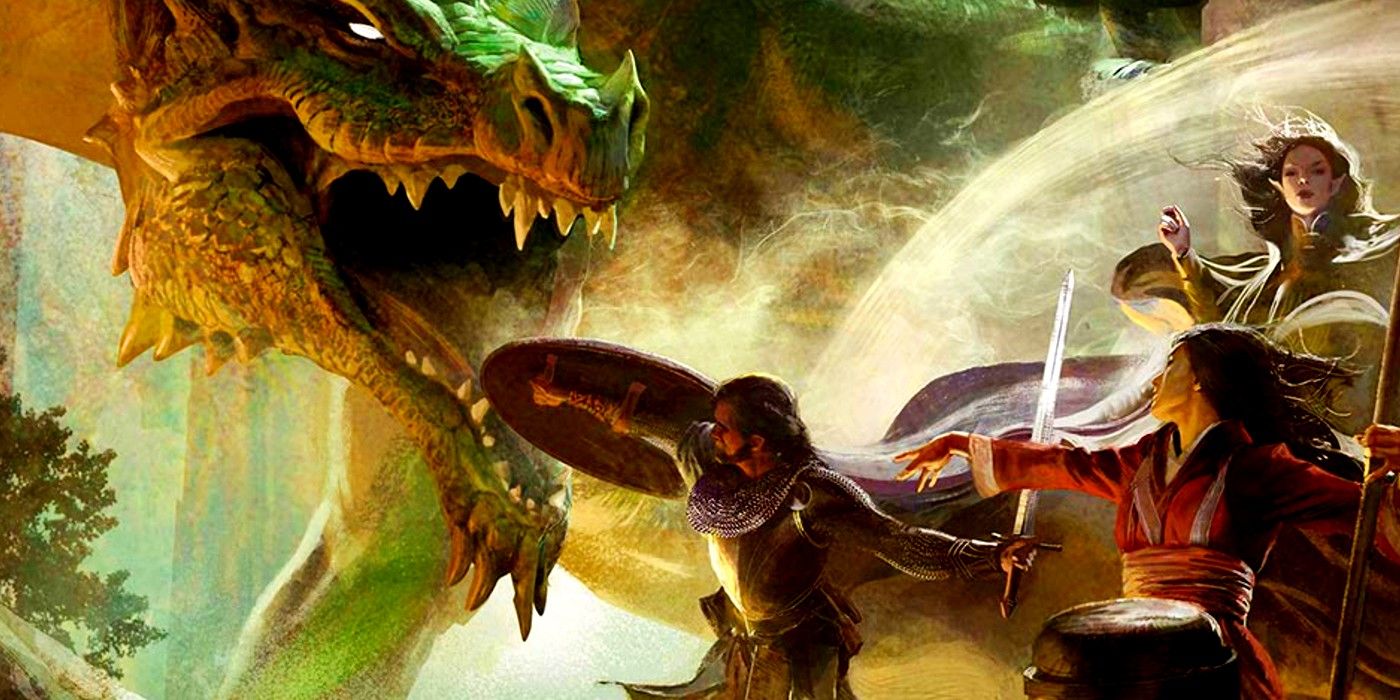
RPG Players Should Roll Dice When Both Success & Failure Would Be Interesting
Vintage tabletop roleplayinggames likeDungeons & Dragons , RuneQuest , orMage : the Ascensiontend to have die - wrap rules with a binary " pass / fail " paradigm . On a beneficial ringlet , a thespian character does what they place out to do , and on a risky roll , they do n’t . In scenarios like round - based armed combat , awful die rolls in a binary " pass / fail " system are generally all right , since histrion will get a chance to assail again next round of drinks .
Related : Tabletop RPGs For Castlevania Series Fans
In other scenarios , like find fault the curl of a door , look a criminal offence scenery for clue , petition the chieftain of a roving tribe for aid , or performing first aid on a dying friend , poor dice axial rotation can frustrate players and trap Game Masters in a Catch-22 . If they let a player repeat their skill arrest over and over again until they get a successful result , the act of rolling die becomes pointless . If they only give their players a unmarried fortune to succeed , a moment of bad luck can permanently cut off players from interesting parts of the biz world the GM form firmly to create .
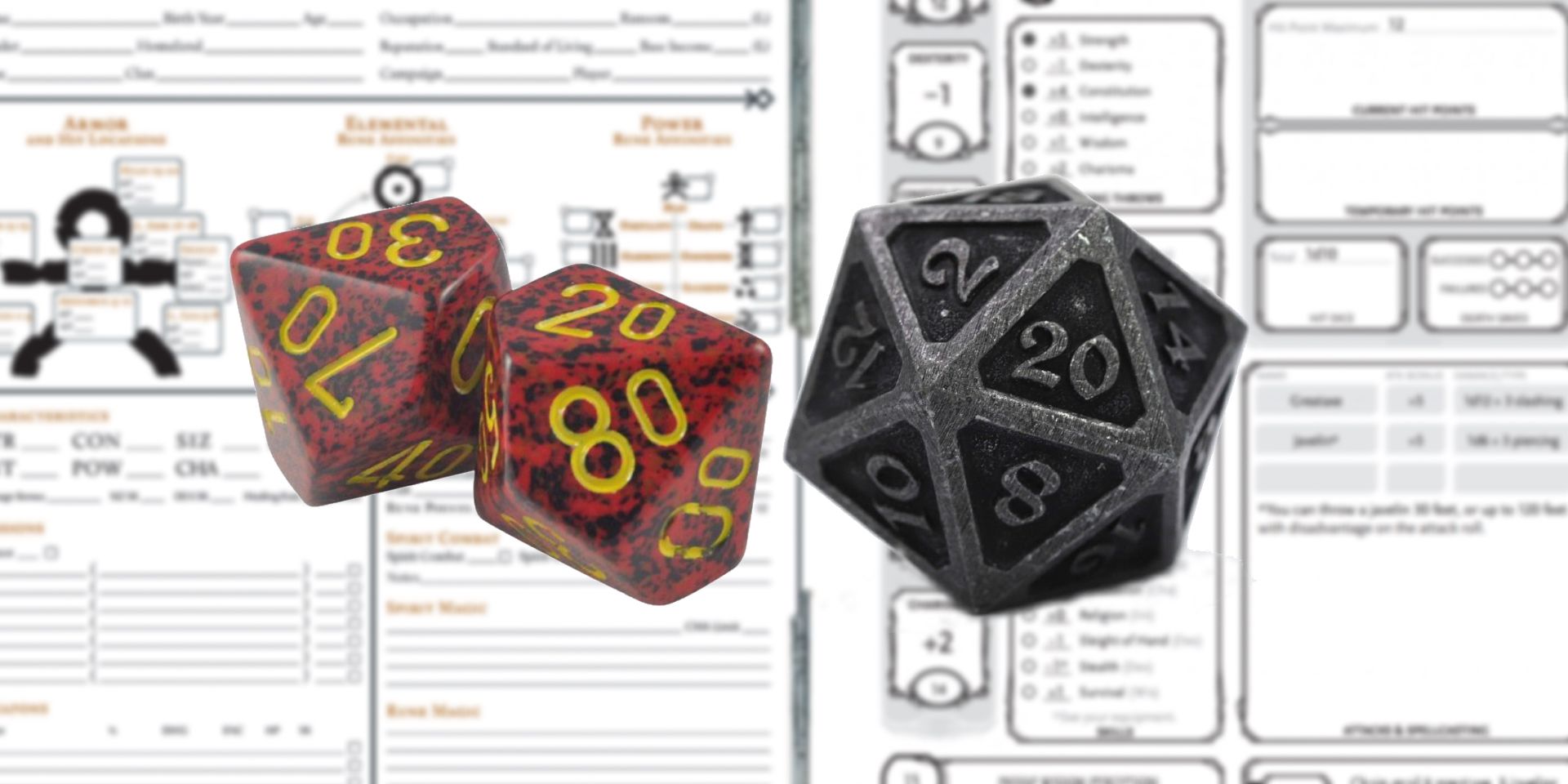
Contemporary RPG system frequently give player and GMs special game mechanic they can use to mitigate the fickle variability of die . “Powered By The Apocalypse"games , for instance , have special die - rove rules shout out " Moves " that list different kinds of " fond success " – outcomes where PCs can win at their actions despite poor rolls , but at the cost of resources , hurt , or other sacrifice on the part of the PC . Systems like"FATE , " " brute Worlds,“or " Chronicles of dark " give players " Power Points " of some kind - limit imagination they can spend to improve their betting odds of success when the stakes are in high spirits and they really , really desire to win .
In systems likeDungeons & Dragonswith fewer explicit rules for letting players " succeed at a price , " the onus lie on theDungeon Master / Game Masterto ensure players who roam dice are thrilled by both " success " and " nonstarter . " If a Player Character " failing " at a task would be boring or detrimental to the game ' patch , the GM should probably just lease them come after without asking them for a scroll . Alternately , a GM can get originative , describe how a personal computer " conk out " in a way that ’s entertaining and moves the plot ’s fib onwards .
The thief pick the ringlet to the vault , but sets off an alarm by accident . The wise old thaumaturge is n’t convinced by the bard ’s silvery words , but will assist the party if they bring a uncommon herb from the depth of a dreary and spooky forest . The mystery - solving sleuthhound pick up a critical clew , but gets lie in wait by hood hire to quieten their meddling enquiry , etc . Ideally , the choices ofwhathappens when someone fails needs to be interesting .
Next : Fun Tabletop RPGs That Do n’t habituate Dice

