Dungeons & Dragons: Honor Among Thieves
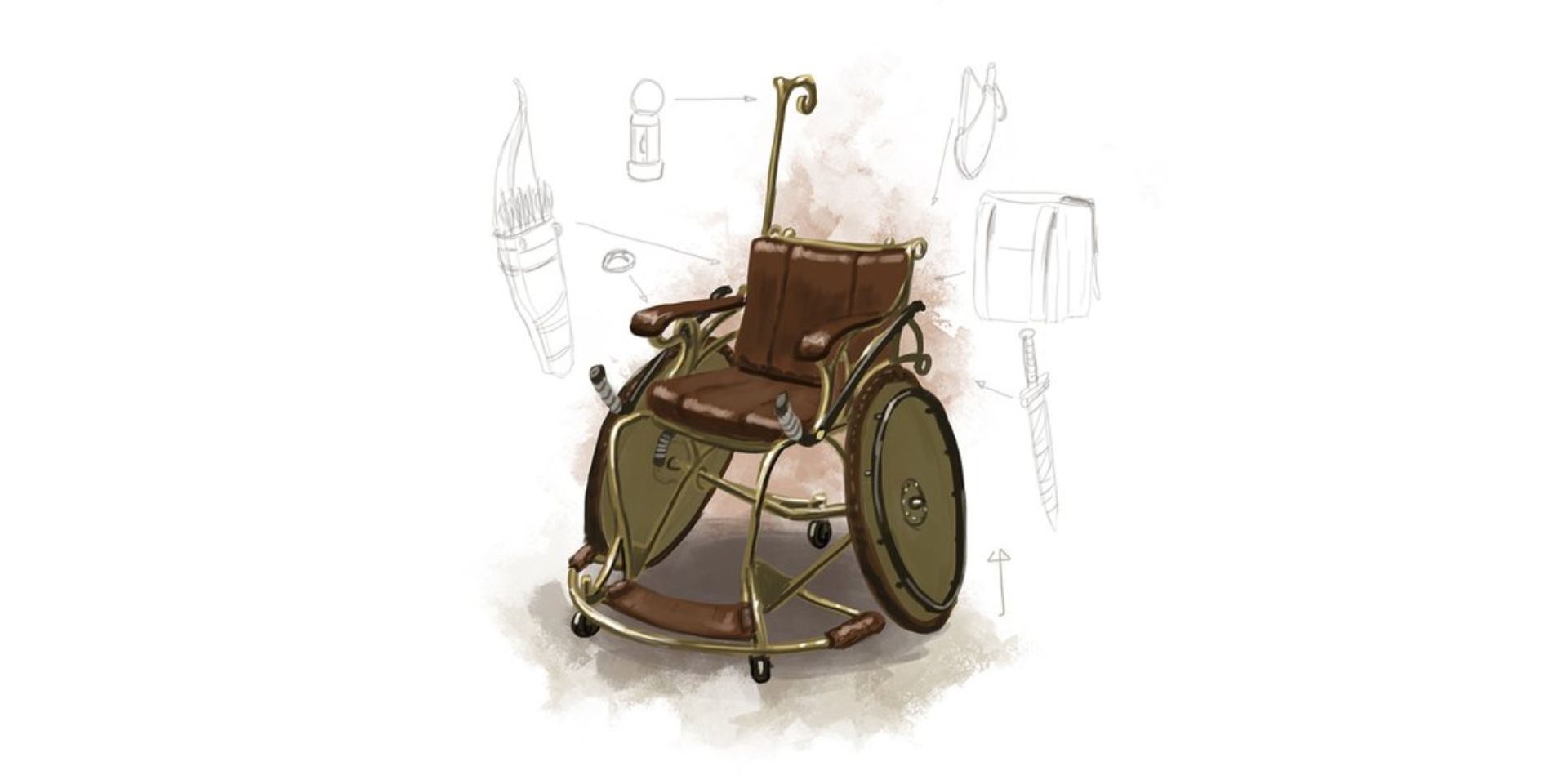
Back in 2020 , game interior decorator and disability advocate Sara Thompson publish a home - brew band of formula put in the concept of the " Combat Wheelchair " toDungeons & Dragons5th edition – a reinforced , light - weight wheelchair with mild magical qualities design to empower handicapped heroes to go on wild escapade alongside their companion . This complimentary - to - download supplement , with intricate rule taking into account both magic items and " ramming attacks , " has urge on others to come up with similar equipment forother tabletop RPGs , while also challenge the manufacture as a whole to take a concentrated tone at how they represent – or fail to symbolise – disabled citizenry in their fictional worlds .
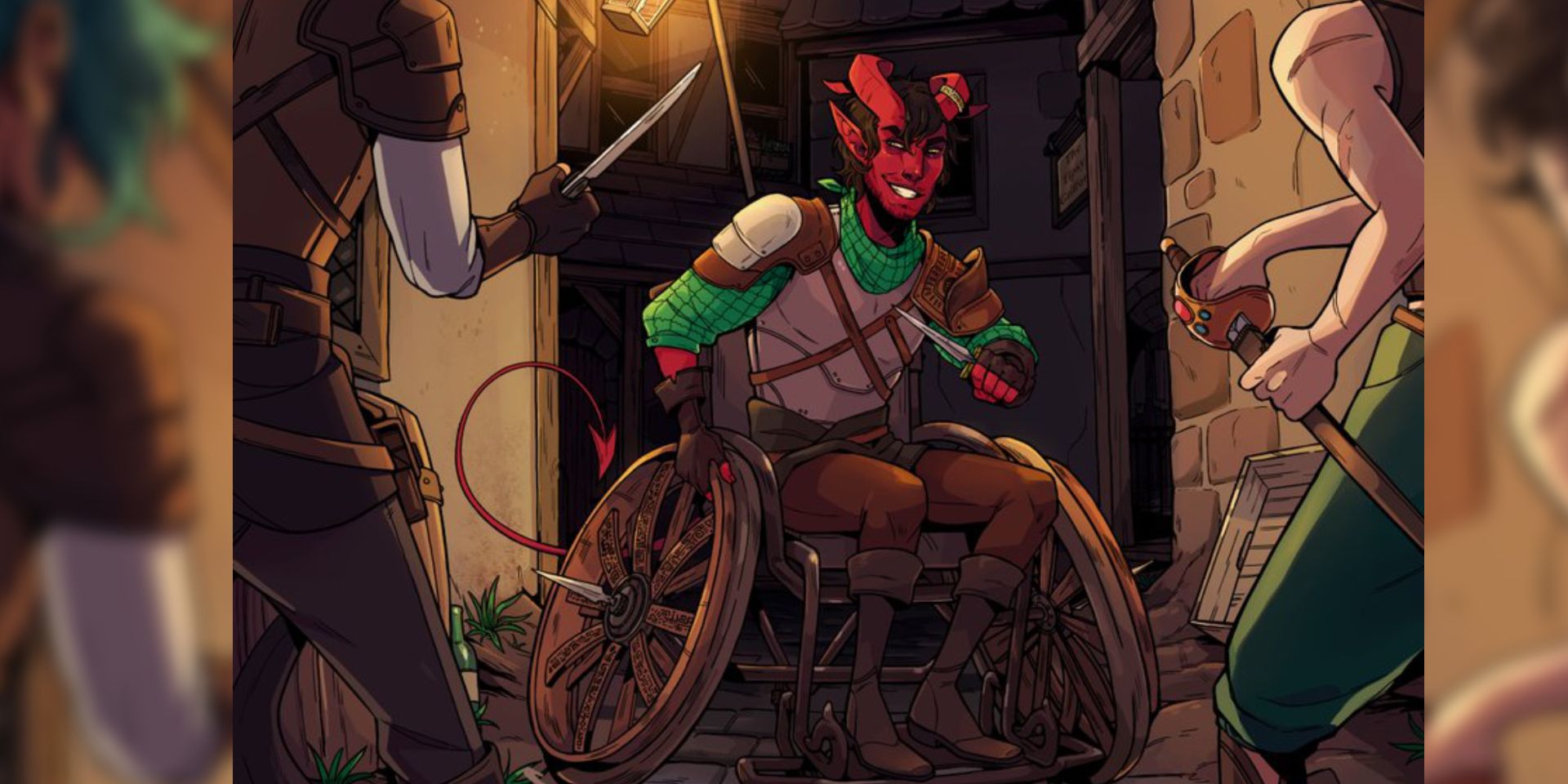
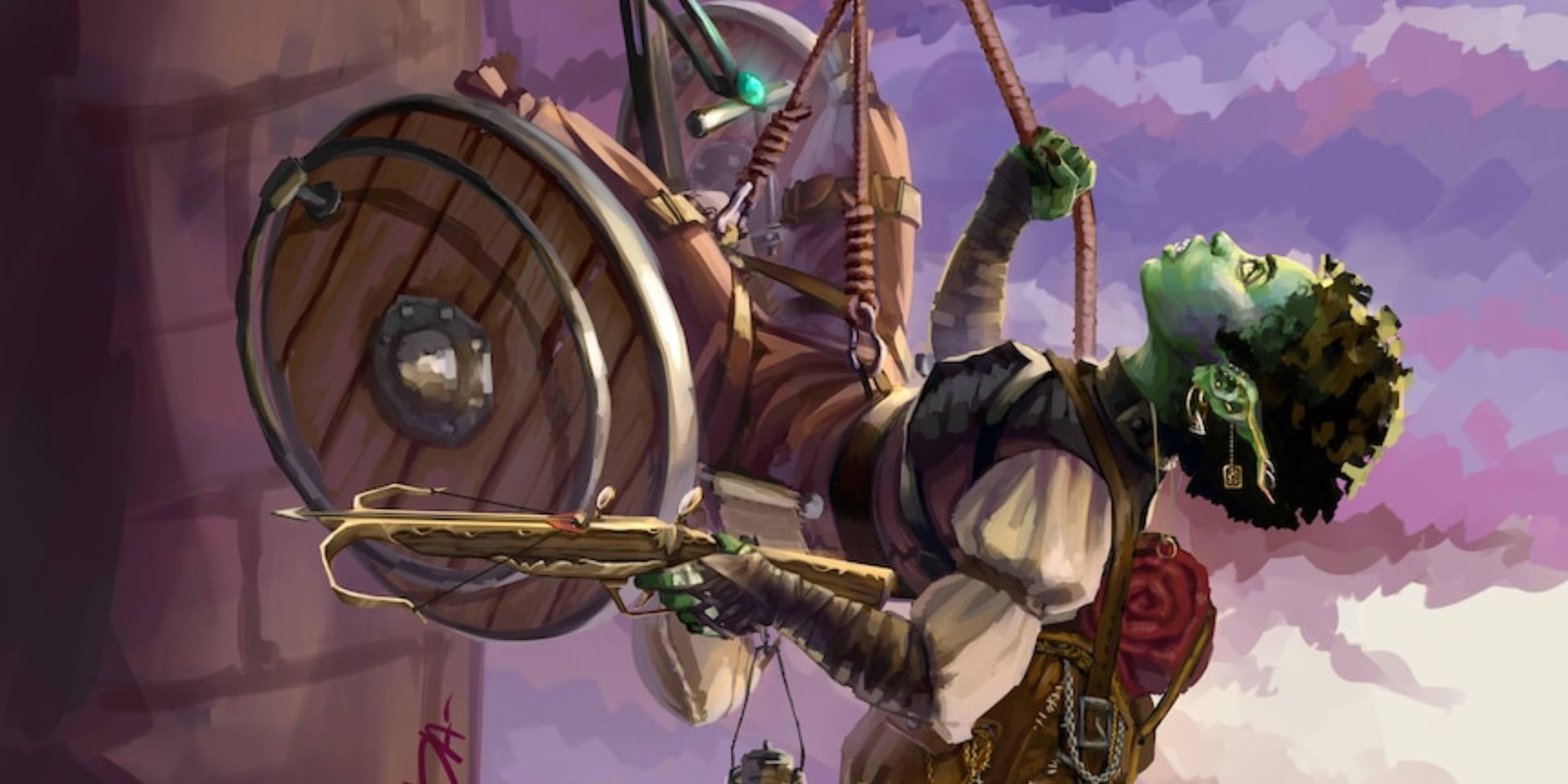
When Sara Thompson designed her Combat Wheelchair – a furrowed , splay - wheeled chair with multiple accessories of both workaday and magical persuasion for an enterprising adventurer ’s needs , she drew stirring from her own experience using a wheelchair and from the bumpy and raucous sport of wheelchair rugger and wheelchair basketball . With the principle and features Saradrew up forD&D5e(and for the pen - and - paper RPG adaptation ofThe Witcher ) , a player case with physical impairments can use the Combat Wheelchair and its " convenience " to perform sick stunts , jampack foe , and magically " hover up step . "
Related : Fake D&D Rules Dungeon Masters Should study Using
Disability right militant care to use the full term " impairment " and " disability " in analogue to spill the beans about the challenge disabled people face in their liveliness . " Impairments " are the physical and mental disadvantage people have – cecity , misshapenness , learning difficulty , etc . " Disability " is when a person ’s physical or genial impairments collide with the society they last in – having to board a bus without a bicycle - chair incline , being shouted at for bringing their seeing - eye dog into a computer storage , etc . " Impairments " are rarely something people can control , but " handicap " are something that can and should be addressed by club to make fairness and approachability for all , whether through making real - life buildings more accessible or introducing tools like Combat Wheelchairs totabletop RPG setting .
Neither “Tech” or “Magic” Justifies Erasing Disabled People From RPG Narratives
Inscience fabrication and phantasy storieswith advanced technology or herculean trick , writers and RPG designers who get regardless with their humans - construction can unthinking wind up " erasing " disabled the great unwashed from their narratives , declaring that cybernetics , transmitted engineering , clerical healing thaumaturgy , or secret enchantments can be used to " fix " disabled people . There are two big problem with this viewpoint : first , there are a wide orbit of physical and mental impairments the great unwashed can have , not all of which can be change . secondly , many disabled the great unwashed do n’t want to be " deposit , " seeing their impairments as an substantive part of the lives they lead . For them , the mind of " curing " all handicapped masses smacks of prejudice and eugenics , a toxic outlook valuing people only for how " strong , " " utile , " or " normal " they are to their guild .
The presence of the Combat Wheelchair inDungeons & Dragonsorother fantasy RPGsdoesn’t stop player characters from choose to get cybernetic enhancements , using restorative conjuring trick to re - produce their leg , or other such " ability enhancements . " What the Combat Wheelchair and other similar tools do is give player character an actual option between varying arcdegree of self - augmentation or substantiate their flaws as a positive , meaningful facial expression of their individuality . It pass without saying that the Combat Wheelchair also lets thespian with substantial - life history disabilities create PC who truly represent them .
The Combat Wheelchair Challenges RPG Developers To Improve Their Representation Of Disabled People
As elaborate onDicebreaker , Sara Thompson created the Combat Wheelchair supplement so players and gm could include characters with miserable - eubstance paralysis and other physical impairment in the dungeon - crawling antic so iconic to tabletop RPGs . The Combat Wheelchair addendum is also a gantlet cast down at players , GMs , and RPG architect , challenging them to make citizenry with unlike form of handicap present and relevant in their imagine human race .
Whether they have overleap limbs , blindness , or a chronic stammer , handicapped people ( rattling handicapped hoi polloi , not " inspirationally disadvantaged " or " tragic " stereotype ) have floor worth telling , and rule for assistive technologies , support animal , and other empowering systems make it potential forgames likeDungeons & Dragonsto tell these stories . WithCandlekeep Mysteriesfeaturing a wheelchair - compatibleadventure , andVan Richten ’s Guide to Ravenlofthaving characters in wheelchairs , it ’s becoming more common even in officialDungeons & Dragonscontent , and is perhaps a signboard that this stigma is dwindling .
Next : Tabletop Games Where Players Create Their Own New Languages
seed : Dicebreaker