Dungeons & Dragons: Honor Among Thieves
In the early years of theDungeons & Dragonstabletop roleplay biz , Charisma was seen by some player as a " Dump - Stat , " a tertiary attribute to be ignored in favor of ameliorate combat - centric attributes like Strength or Dexterity . 5th EditionD&D , in contrast , constitute Charisma the chief attribute for the majority of spell - casting classes , which begs the question : why did developers at Wizards Of The Coast tie the illusion of so manyD&Dclasses to the magnetism of personal computer personality ?
Among the"Mage " classes ofD&D5e , Warlocks , Bards , Sorcerers , and Paladins each have spell - cast ability work up around the Charisma dimension , with the Difficulty Classes and attack bonuses of these class going up as a PC ’s Charisma mark increases . divine and Druids have spell - regorge ability fuel by their Wisdom , while the Wizard employ Intelligence to control their arcane magic .
colligate : D&D Character Backstories That Would Justify a Paladin / Sorcerer Build

Discounting martial / magical hybrid classes like the Paladin or Eldritch Knight Fighter , the Player ’s Handbook ofDungeons & Dragons5th Edition has four charismatic mage classes , two wiseness - establish mage class , and only one intelligence information based mage class ( two , if includingthe Artificer classintroduced in theEberron : rise From The Last Warsource book ) . From the facial expression of affair , there was no official decision among developer at Wizards Of The Coast that conduct to the presence of so many charismatic magic spell - casters inD&D5e - just a bunch of small design choices made in answer to the mechanic idiosyncrasies of theDungeons & Dragonsruleset .
Explanation #1: D&D Spells Fueled By Charisma Fit The Narrative Of Certain Classes
The full term " Charisma " can be used to describe many dissimilar qualities : physical attractiveness , likability , lordliness , elegance , musicality , sheer military force of personality , etc . In bothD&Dand real living , " Intelligence " may let people translate the legal philosophy and rationale of the human beings , and " Wisdom " may serve people understand their hearts and the centre of others , but " Charisma " is how people actively assert their will over society and get it to change in their favour . This is belike why Charisma is the keyattribute forD&Dspell - casterswho wield their magic trick with their aroused quality , purposely trenchant from the intelligentD&DWizard and their measured study and committal to memory .
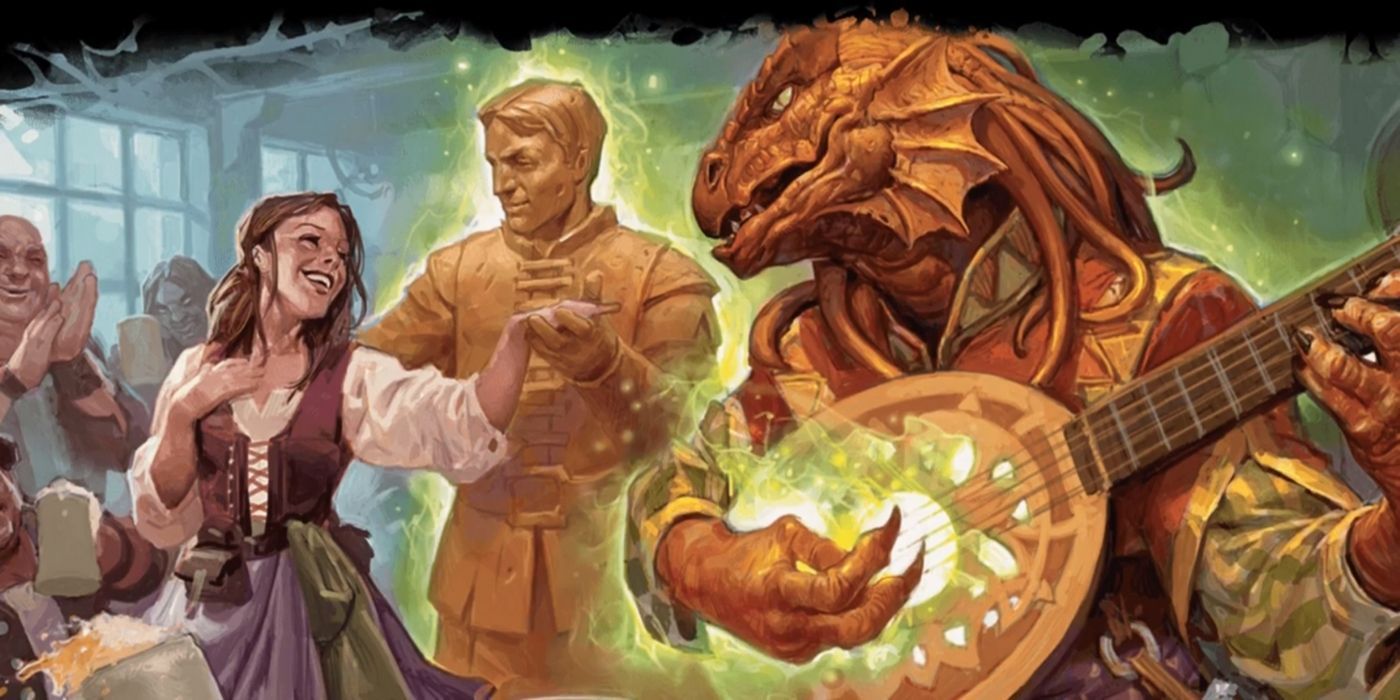
inD&D5e , Warlocks are portrayedas spell - castor who forgo years of magic training in favor of gaining noesis by bargaining with a non - divine ( oftentimes sinister ) ghostly entity - their use of Charisma as a spell - casting attribute represents how they charm and blandish their patrons into continuing to give them magic . Sorcerers , on the other hired hand , are portrayed as magic spell - casters who handle their congenital illusion with intuition and channeled emotion ; again , Charisma is the well - primed attribute for this kind of miracle - working . Finally , Bards cast thaumaturgy through their technique with music , poesy , and other performing arts - an emotional paradigm that naturally fall under Charisma .
Explanation #2: Classes With Charisma-Based Abilities Encourage More Roleplaying
As new , narrative system like " Powered By The Apocalypse " or " Forged In The Dark " RPGs arise as alternatives toDungeons & Dragonsand other classical roleplaying games , RPG developers became more cognizant of a key principle behind roleplaying secret plan pattern : the more depth and utility a set of gameplay mechanism has , the more likely players are to consort RPG campaigns concentrate on around those car-mechanic . If someone produce an RPG system where fighting is risky and lethal , but also include many utilitarian , safer abilities for social maneuvering and control , then histrion are more likely to incline campaigns in this system based around court intrigue and investigation ( World of Darknesspublications likeVampire : the Masqueradebeing a key exercise therefrom ) .
Most role category inDungeons & Dragonsare focused around armed combat and search , with extra ability gear towards fighting off monsters , hold open allied characters alive , bypass traps , and gathering selective information about potential threats . In other editions ofDungeons & Dragons , Charisma - and the societal skills it empowers - was seen a a " trash dump - stat " because improve it did n’t help act characters last the deadly threat the Dungeon Master would throw at them ; woefully , this often led to player create socially inept"murder - bum " characterswho could n’t effectively interact with Nonproliferation Center and supporting characters in townsfolk , cities , tap house , and other non - combat spaces . The introduction and refinement of charismatic spell - caster in recent editions ofDungeons & Dragonscan be hear as an attempt to pay off for this asymmetry of gameplay , authorize role player to create silver - tongue PCs while still being able to rain destruction and discordance upon a battlefield with their magic .
Next : What A D&D " Gish " Character Build Is ( & How To Make One )